
When ants march across your kitchen counter or you spot a mouse scurrying behind the fridge, the immediate question becomes: should you tackle this yourself or call in the pros? Both DIY pest control and professional services have their place, and the right choice depends on your specific situation, the type of pest, and how far the infestation has progressed. Let's break down what you need to know to make the smartest decision for your home and family.
DIY Pest Control: What Works and What Doesn't
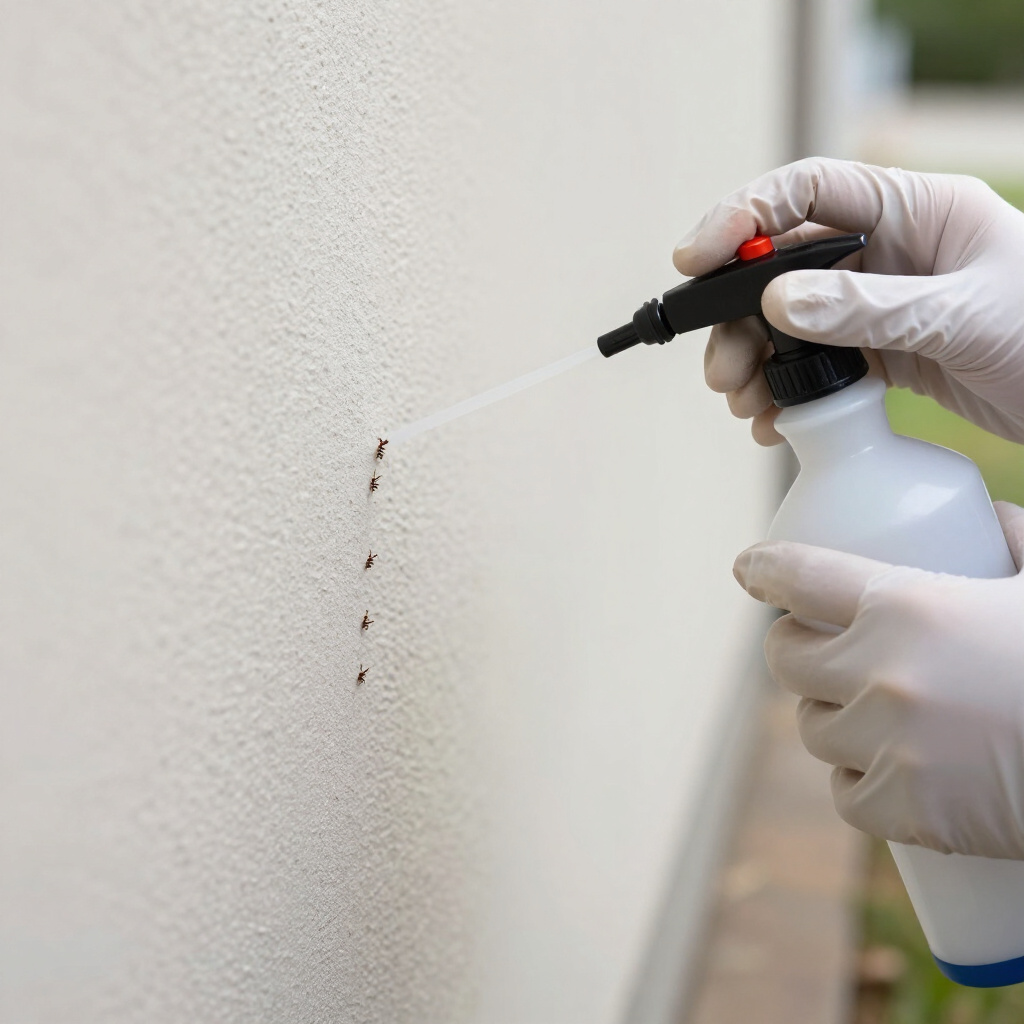
DIY pest control has come a long way from simple fly swatters and mouse traps. Today's homeowners have access to an impressive array of sprays, baits, ultrasonic repellents, and natural remedies that can effectively handle minor pest problems. For isolated issues—a few ants finding their way indoors, an occasional spider, or a single wasp nest that's easily accessible—these solutions often do the trick.
The real advantages of going the DIY route are cost and immediacy. You can head to the hardware store today and start treating the problem within hours. Many over-the-counter products use the same active ingredients as professional-grade treatments, just in lower concentrations. Natural approaches like diatomaceous earth, essential oil sprays, and vinegar solutions appeal to families with pets or young children who worry about chemical exposure.
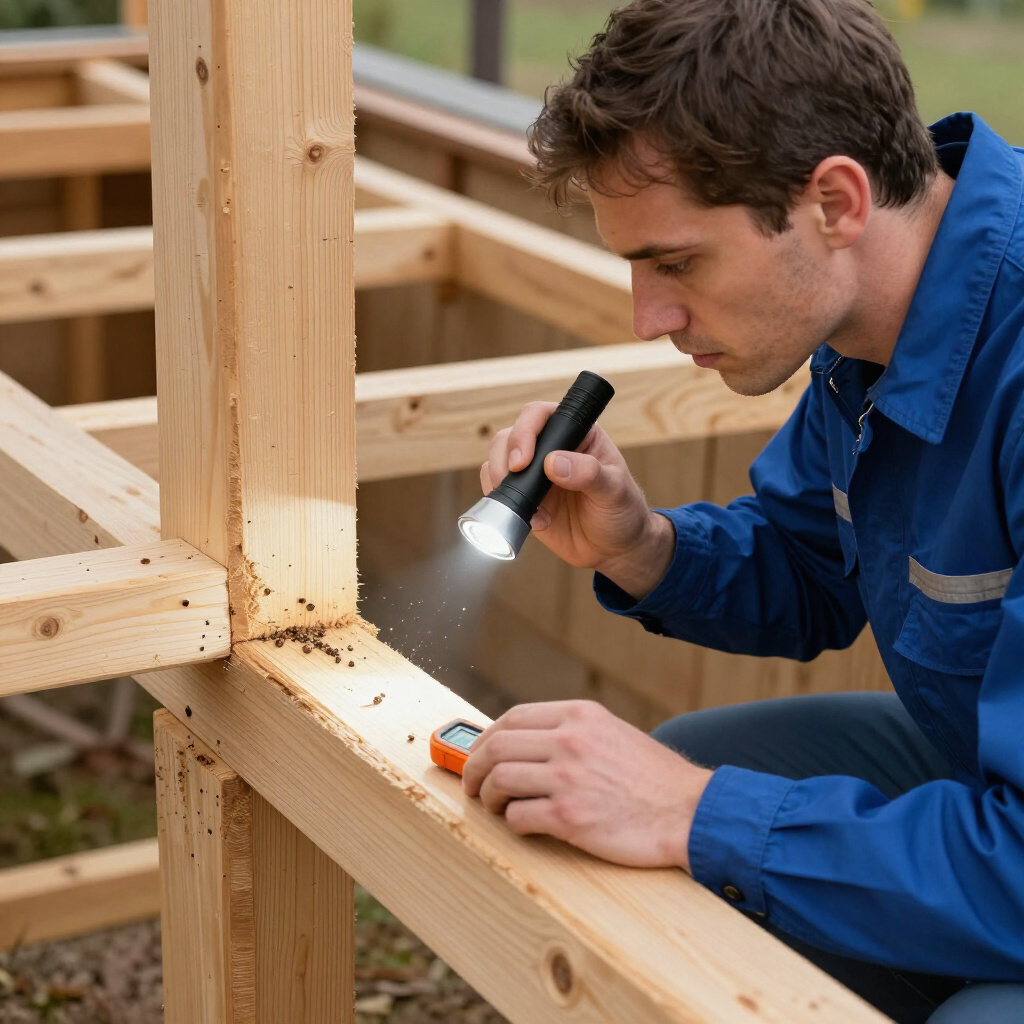
However, DIY methods have significant limitations. Store-bought products typically treat symptoms rather than root causes. You might kill the ants you see without addressing the colony hidden in your walls. Misapplication is common—too little treatment wastes money, while too much can create health hazards or drive pests deeper into hiding. Perhaps most importantly, homeowners often misidentify pests, leading to ineffective treatment strategies. What looks like a carpenter ant might actually be a termite, and the difference in treatment couldn't be more consequential.
When to Call a Professional Exterminator
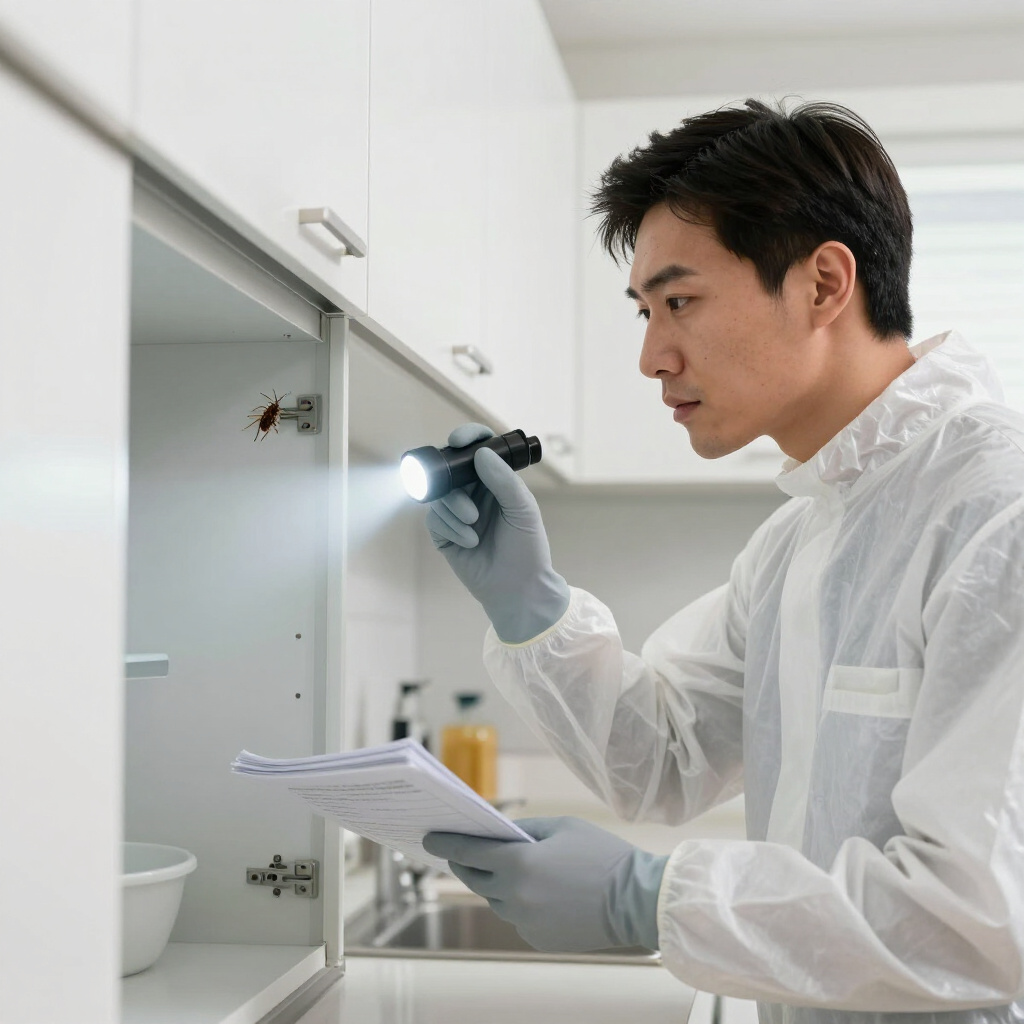
Certain situations unequivocally demand professional expertise. Termites, bed bugs, and extensive rodent infestations top this list. These pests cause structural damage, spread disease, or reproduce so rapidly that partial treatment only prolongs the problem. Professional exterminators bring training, specialized equipment, and access to commercial-grade products that simply aren't available to consumers.
Pest control professionals excel at integrated pest management—the comprehensive approach that combines treatment with prevention. They don't just eliminate current pests; they identify entry points, recommend structural repairs, and create customized prevention plans. This holistic strategy saves money long-term by stopping recurring infestations before they start.
Safety represents another compelling reason to hire experts. Professionals understand how to apply treatments safely around children, pets, and food preparation areas. They're trained in proper handling of restricted-use pesticides and know which situations call for alternative methods. If someone in your household has respiratory issues, allergies, or chemical sensitivities, professional guidance becomes even more valuable.
Time and stress factor in too. Researching treatments, purchasing supplies, applying products repeatedly, and monitoring results consumes significant energy. When DIY Pest Control vs Hiring a Professional becomes a choice between weekends spent battling pests and reclaiming your time, many homeowners find the professional route surprisingly cost-effective.
Key Tips for Making the Right Choice
Start by honestly assessing your situation. How extensive is the infestation? How long have you noticed signs? Have previous DIY attempts failed? Answering these questions helps determine whether you're facing a manageable problem or something more serious.
If you choose DIY, prioritize proper identification before purchasing any products. Your local cooperative extension service or reputable online resources can help. Always read labels completely and follow application instructions precisely—more product does not mean better results. Keep records of what you've tried so you can escalate to professional help intelligently if needed.
When selecting a professional, verify licensing and insurance requirements in your state. Reputable companies provide detailed inspection reports, explain treatment options without pressure, and offer guarantees on their work. Be wary of anyone who quotes treatment without seeing your property or pushes annual contracts for problems you don't have.
Consider hybrid approaches too. Some homeowners handle routine prevention themselves—sealing cracks, maintaining landscaping, using basic perimeter treatments—while reserving professional services for active infestations or annual inspections. This balanced strategy often delivers the best value.
Final Thoughts
Neither DIY pest control nor professional services are universally superior. The decision hinges on pest type, infestation severity, your comfort with chemicals, available time, and budget constraints. Small, straightforward problems often resolve beautifully with diligent homeowner effort. Complex, persistent, or potentially dangerous infestations justify professional intervention every time.
The most expensive choice is usually the one that doesn't work. Repeated DIY failures add up quickly, and delaying proper treatment allows pests to multiply and cause more damage. Trust your instincts—if a problem feels beyond your expertise, it probably is. The peace of mind that comes from knowing your home is truly protected often proves invaluable. Whether you grab the spray bottle or dial the exterminator, acting promptly and choosing the right approach for your circumstances is what matters most.