

Finding a cockroach skittering across your kitchen floor at midnight is enough to ruin anyone's evening. These resilient pests multiply quickly, contaminate food, and trigger allergies—making fast action essential. The good news? You don't need to live with them. With the right combination of immediate tactics and longer-term prevention, you can reclaim your home from cockroaches faster than you might expect.
How to Get Rid of Cockroaches Fast Starts with Identification
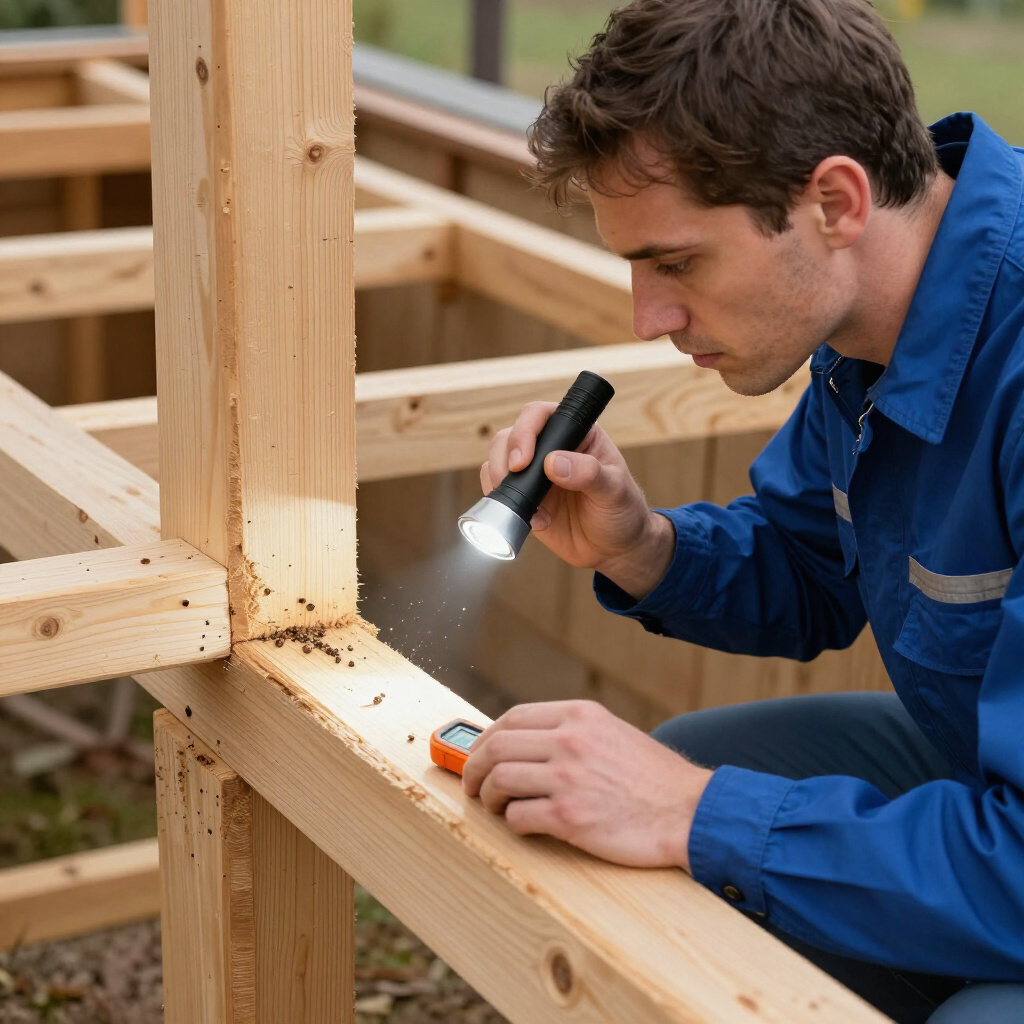
Before you wage war, know your enemy. The two most common household species require slightly different approaches. German cockroaches are smaller, light brown with two dark stripes behind their heads, and prefer warm, humid areas near food sources—kitchens and bathrooms are their favorite haunts. American cockroaches are larger, reddish-brown, and often found in basements, drains, and crawl spaces. Take ten minutes to inspect your home. Check under sinks, behind appliances, inside cabinet hinges, and around pipe entry points. Look for droppings (small black specks resembling coffee grounds), egg cases called oothecae, or a musty, oily odor. Finding where they're hiding tells you exactly where to concentrate your efforts instead of treating your entire home unnecessarily.
Eliminate What Attracts Them First
Cockroaches need three things to thrive: food, water, and shelter. Remove these, and even established infestations become far easier to control. Start in your kitchen tonight. Store all dry goods in airtight containers—not the cardboard boxes they came in. Wipe down counters and sweep floors after every meal. Don't leave pet food out overnight; pick it up and store it instead. Fix leaky faucets and dripping pipes immediately. A single water source can sustain dozens of roaches when food is scarce. Empty your kitchen trash daily and use a bin with a tight-fitting lid. Clean under and behind your refrigerator, stove, and dishwasher monthly—crumbs accumulate in these forgotten spaces like a buffet line for pests. Declutter throughout your home. Cardboard boxes, stacks of newspapers, and piled laundry create perfect harborages. Switch to plastic storage bins and keep things off the floor when possible.
Use Targeted Treatment Methods That Actually Work
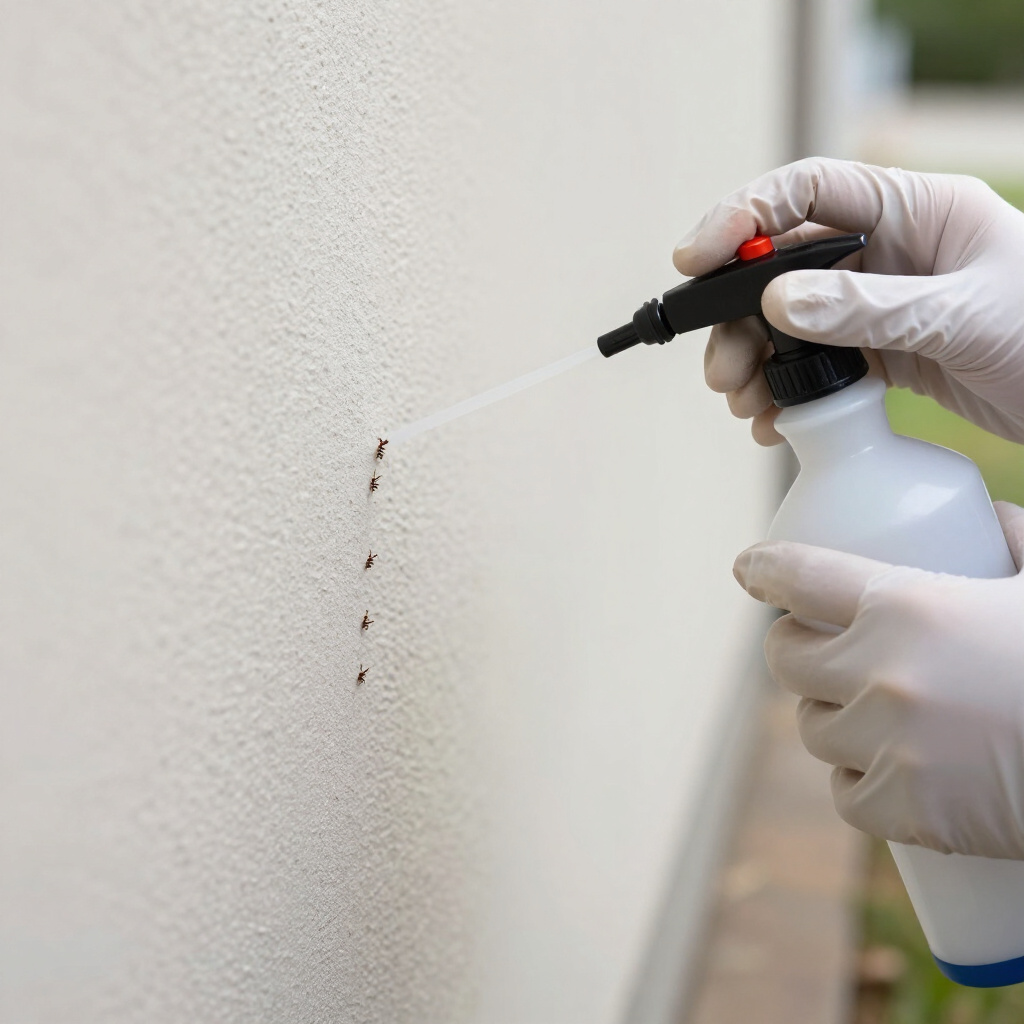
With attractants minimized, it's time for direct action. Skip the grocery store sprays—they kill on contact but repel survivors deeper into walls, making the problem worse. Instead, use these proven approaches: Gel baits are your most powerful weapon. Apply small pea-sized dots in cracks, crevices, and behind appliances where you've seen activity. Roaches eat the bait, return to their hiding spots, and die. Their poisoned bodies then kill other roaches through cannibalism. This chain reaction can eliminate entire colonies within one to two weeks. Be patient—resist the urge to clean away dead roaches for several days. Insect growth regulators (IGRs) prevent surviving roaches from reproducing. These mimic natural hormones and stop nymphs from maturing. Combine IGRs with baits for a one-two punch that collapses populations fast. Boric acid powder works as a desiccant and stomach poison. Dust a thin, barely visible layer behind appliances and under cabinets where roaches travel. It remains effective for months but must stay dry to work. Sticky traps help monitor your progress. Place them along walls and in corners where you've seen activity. Catches should decrease steadily over two weeks if your treatment is working.
Seal Entry Points to Keep New Roaches Out
Even perfect indoor control fails if roaches keep marching in from outside. Examine your home's exterior with a caulking gun in hand. Seal gaps around utility pipes, dryer vents, and air conditioning lines with steel wool and caulk. Weatherstrip doors and windows, paying special attention to the gap beneath exterior doors. Inside, seal cracks between cabinets and walls, around plumbing penetrations, and along baseboards. Mesh screens over drains prevent sewer-dwelling species from emerging. These efforts take an afternoon but provide years of protection against reinfestation.
Key Tips for Faster Results
Speed matters when you're dealing with cockroaches. These additional strategies help you see results sooner: Rotate your bait brands every few months to prevent resistance buildup. Roaches can develop tolerance to specific active ingredients over time. Don't use repellent sprays and baits simultaneously. Sprays drive roaches away from bait stations, defeating the purpose. When using gel baits, more is not better. Too much bait looks like a food source rather than a trap, and roaches may avoid it. Small, frequent applications work best. For severe infestations, consider professional heat treatment. Specialized equipment raises temperatures to lethal levels throughout your home, killing all life stages including eggs in a single day. Wash and dry bedding, clothing, and linens on high heat if roaches have accessed these areas. While they don't typically infest fabric like bed bugs, eggs and debris can accumulate. Tell neighbors in multi-unit buildings. Roaches travel through shared walls. Coordinated treatment prevents them from simply relocating and returning later.
Final Thoughts
Getting rid of cockroaches fast demands a smart, multi-pronged approach rather than a single magic bullet. Start by stripping away their food, water, and shelter. Deploy targeted baits and growth regulators strategically. Seal every entry point you can find. Stay consistent for two to three weeks, even as visible activity drops—survivors and new hatchlings require ongoing pressure. Most homeowners who follow this integrated approach see dramatic improvement within ten to fourteen days. If you're still spotting live roaches after three weeks of diligent effort, the infestation may have established reservoirs in wall voids or neighboring units that require professional intervention. Don't hesitate to call in experts who can apply commercial-grade tools and pinpoint hidden harborages. The sooner you act, the smaller the battle. Cockroaches left unchecked produce exponentially more offspring. Tonight, set out those traps, fix that drip, and place your first bait applications. Your future self—sleeping peacefully without midnight kitchen surprises—will thank you.