

There's nothing quite like the surprise of walking into a room and spotting an eight-legged visitor dangling from the ceiling—or worse, scurrying across your floor. While spiders play a valuable role in controlling other insects, most homeowners prefer they do their work outside where they belong. If you're tired of sharing your living space with these uninvited guests, the good news is that keeping spiders out of your house doesn't require harsh chemicals or elaborate traps. With a few practical changes and consistent habits, you can make your home far less appealing to arachnids and enjoy greater peace of mind.
How to Keep Spiders Out of Your House by Sealing Entry Points
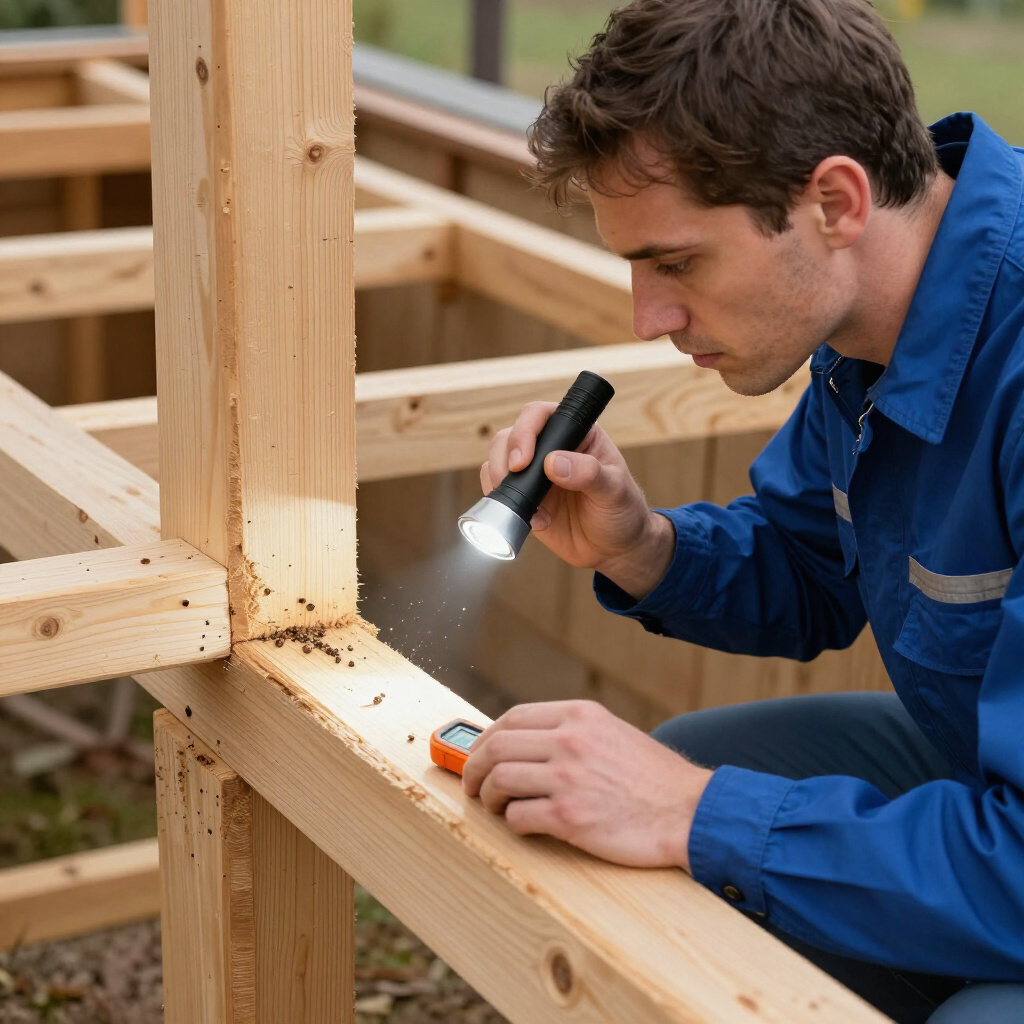
The most effective way to prevent spiders from becoming indoor pests is to stop them from getting inside in the first place. Spiders are remarkably skilled at squeezing through tiny gaps—some can fit through openings no thicker than a credit card. Start your defense by conducting a thorough inspection of your home's exterior.
Check window screens for tears and repair or replace damaged ones promptly. Examine the weatherstripping around doors and windows, replacing worn or cracked seals. Pay special attention to utility openings where pipes, cables, and vents enter your home; these often have gaps that spiders exploit. Use caulk to seal cracks in foundations, along baseboards, and around door frames. Don't overlook the attic and basement—installing fine mesh screens over vents and chimney openings creates an effective barrier without restricting airflow.
Evening habits matter too. Spiders are attracted to light, which draws the insects they prey upon. Keeping exterior lights off when unnecessary, or switching to yellow "bug" bulbs that attract fewer insects, reduces the food source that lures spiders toward your home.
Reduce Indoor Environments That Attract Spiders
Spiders enter homes for two primary reasons: shelter and food. Eliminate what they need, and they'll look elsewhere. Clutter is perhaps the biggest culprit—boxes in attics, piles of newspapers, and undisturbed storage areas create perfect hiding spots. Regularly declutter these spaces, and when you must store items, use sealed plastic containers rather than cardboard boxes that spiders can easily penetrate.
Humidity plays a significant role as well. Spiders favor damp environments, so addressing moisture issues makes your home less hospitable. Run dehumidifiers in basements and crawl spaces, fix leaky pipes promptly, and ensure bathrooms are well-ventilated. Outside, trim shrubs and tree branches away from your home's exterior—vegetation touching walls serves as a natural bridge for spiders and the insects they follow.
Your cleaning routine directly impacts spider populations. Regular vacuuming removes not only spiders and their egg sacs but also the dust and debris that attract other insects. Pay special attention to corners, behind furniture, and in ceiling crevices where cobwebs form. When you do spot a web, remove it completely; spiders often rebuild in the same location, but persistent removal encourages them to relocate.
Key Tips for Natural and Preventive Spider Control
Beyond sealing and cleaning, several targeted strategies help maintain a spider-free home without resorting to chemical pesticides. Essential oils have gained popularity as spider deterrents—peppermint, tea tree, eucalyptus, and lavender oils may discourage spiders when diluted with water and sprayed around entry points and baseboards. While not a standalone solution, these natural options complement other preventive measures and leave your home smelling fresh.
Diatomaceous earth, a fine powder made from fossilized algae, can be applied in thin layers along baseboards and in crawl spaces. It works mechanically rather than chemically, abrading the exoskeletons of spiders and insects that cross it. Choose food-grade products if you have pets or children, and reapply after vacuuming or cleaning.
Consider your outdoor lighting placement carefully. Lights mounted directly on walls draw insects—and consequently spiders—right to entry points. Instead, position lights away from the house on poles or use motion-activated fixtures that minimize constant illumination. This simple adjustment significantly reduces the insect activity near doors and windows.
Firewood storage deserves attention too. Piles of wood stacked against your home provide ideal spider habitat and easy access indoors. Keep firewood at least twenty feet from your house and elevate it off the ground. Always inspect logs before bringing them inside, even during colder months when spiders seek shelter.
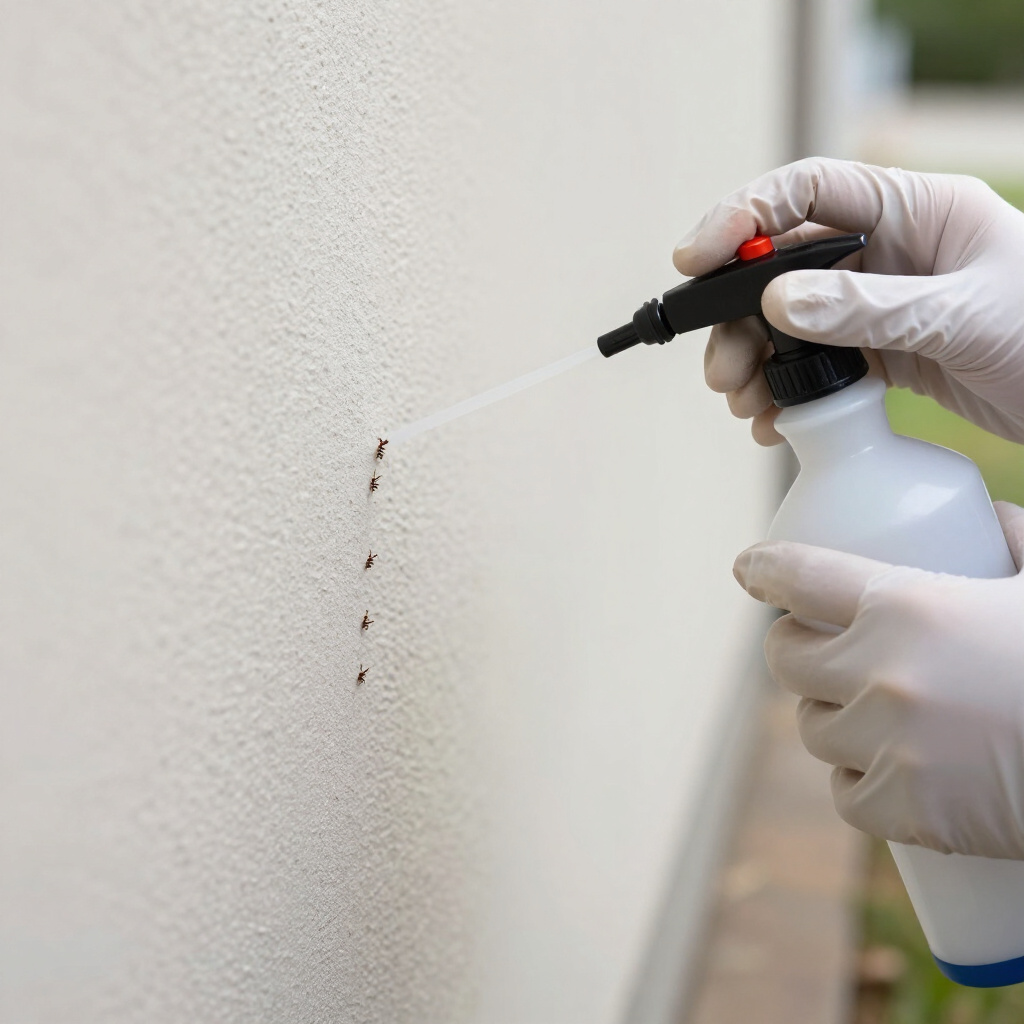
For persistent problems, professional pest control offers targeted solutions that address both spiders and the underlying insect populations sustaining them. Experts can identify species-specific behaviors, locate hidden entry points you might miss, and implement integrated management strategies tailored to your home's unique vulnerabilities.
Final Thoughts
Learning how to keep spiders out of your house comes down to understanding what draws them in and systematically removing those attractions. Seal their pathways, eliminate their food sources and hiding spots, maintain consistent cleaning habits, and make thoughtful choices about lighting and landscaping. No single tactic guarantees complete prevention, but combining these approaches creates an environment where spiders simply don't thrive. The effort you invest not only reduces spider encounters but also contributes to a cleaner, healthier home overall. Start with the most accessible changes today, and build from there—your comfort and confidence in your living space are well worth it.