
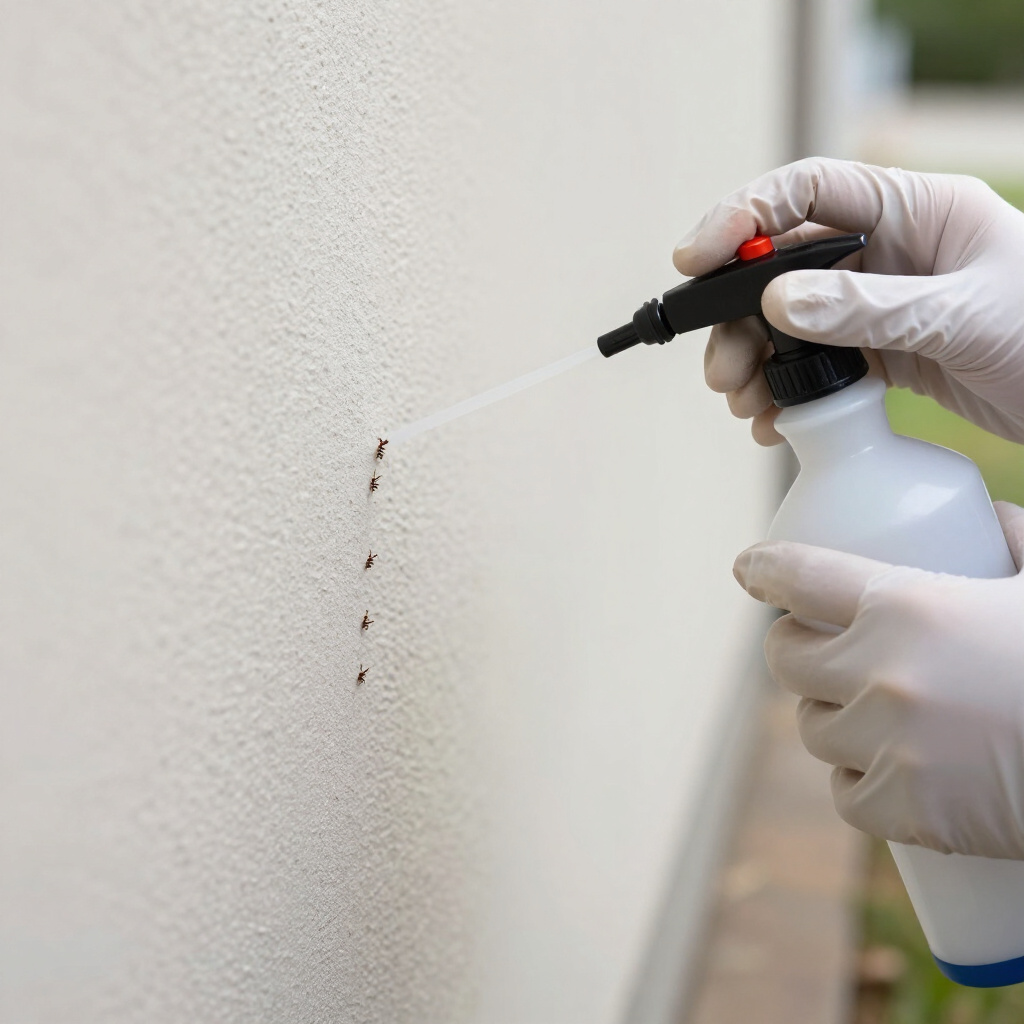


Few things are more frustrating than spotting a trail of ants marching across your kitchen counter or finding them clustered around a crumb you swear you cleaned up yesterday. Ants are remarkably resourceful creatures, and once they locate a food source, they communicate that find to their entire colony with impressive efficiency. The good news? You don't need to accept ants as permanent houseguests. With the right combination of prevention strategies and professional support, you can keep your home ant-free year-round.
How to Prevent Ants From Invading Your Home Starts With Understanding Their Behavior
Ants don't randomly wander into your living space—they follow specific trails guided by pheromones left by scout ants. These chemical signals create invisible highways directly to food and water sources. Understanding this biology is crucial because it means that killing the ants you see isn't enough. You're only addressing the symptom, not the source.
Most ant invasions are driven by three fundamental needs: food, moisture, and shelter. Different species have different preferences. Sugar ants gravitate toward sweet substances, while grease ants prefer proteins and fatty foods. Carpenter ants seek damp, decaying wood for nesting. Identifying which type you're dealing with helps target your prevention efforts effectively.
Seasonal patterns also play a significant role. Spring and summer bring increased ant activity as colonies expand and forage more aggressively. However, don't let your guard down in fall and winter—ants may invade seeking warmth when outdoor temperatures drop. Consistent prevention throughout the year yields the best results.
Seal Entry Points to Block Ant Access
Ants are master contortionists. The common black garden ant can squeeze through gaps as small as 1 millimeter—roughly the thickness of a credit card. This means virtually any crack, crevice, or opening in your home's exterior is a potential doorway.
Conduct a thorough inspection of your home's perimeter, paying special attention to:
- Window frames and door thresholds, especially where weatherstripping has worn thin
- Utility penetrations where pipes, cables, or wires enter your home
- Foundation cracks and gaps where siding meets the ground
- Vents and weep holes that lack proper screening
- Expansion joints and areas where different building materials meet
Seal identified gaps with appropriate materials. Silicone caulk works well for most cracks and seams, while steel wool stuffed into larger openings deters persistent ants who might chew through softer barriers. Replace damaged weatherstripping around doors and windows promptly. For weep holes and vents, install fine mesh screens that allow airflow while blocking insect entry.
Don't forget vertical access points. Ants climb vegetation, exterior walls, and utility lines to reach upper stories. Trim tree branches and shrubs so they don't touch your home's exterior. Consider applying a barrier treatment along foundation walls as an additional defensive layer.
Eliminate Food Sources and Moisture Attractants
Even the most secure fortress falls if invaders find treasure inside. Ants possess an extraordinary sense of smell, detecting food sources from surprising distances. Making your home inhospitable requires diligence and some habit changes.
In the kitchen, store all food in airtight containers—this includes pet food, which many homeowners overlook. Clean countertops daily with vinegar solution, which disrupts pheromone trails. Sweep floors regularly and clean up spills immediately, paying attention to sticky spots under appliances and cabinet edges. Empty trash frequently and use bins with tight-fitting lids.
Beyond obvious food, consider hidden attractants. Recycling containers with residue, dishwashers with food buildup, and even the drip tray under your refrigerator can sustain ant populations. Run your garbage disposal regularly with citrus peels to eliminate odors that draw foragers.
Moisture management proves equally important. Fix leaky faucets, pipes, and appliances promptly. Ensure bathrooms and basements have adequate ventilation. Address condensation issues around windows and air conditioning units. Even small water sources support ants and the insects they prey upon.
Key Tips for Long-Term Ant Prevention
Successful ant control requires more than one-time fixes—it's about building sustainable habits and systems. These essential strategies help maintain your defensive perimeter over time.
Maintain your outdoor space strategically. Keep mulch, leaf litter, and firewood at least 12 inches from your foundation—ants nest in these materials and use them as staging areas. Consider using inorganic mulches like gravel near your home's perimeter. Eliminate standing water in gutters, planters, and low spots that support both ants and the aphids they farm for honeydew.
Use natural deterrents wisely. Certain substances repel ants effectively as supplementary measures. Vinegar, lemon juice, cinnamon, and peppermint oil can disrupt trails and discourage foraging in specific areas. However, recognize these as temporary solutions rather than complete protection. They work best alongside structural and sanitation efforts.
Monitor proactively. Place sticky traps or simple monitoring stations in areas where you've previously seen ant activity. Early detection allows intervention before a few scouts become a full-blown infestation. Check these monitors monthly and note any changes in activity patterns.
Know when professional help becomes necessary. DIY prevention handles most situations, but certain scenarios warrant expert intervention: recurring invasions despite your best efforts, structural carpenter ants threatening wooden elements, or large colonies with multiple nesting sites. Professional pest control technicians access specialized tools and treatments unavailable to homeowners, including targeted baits that eliminate entire colonies rather than just visible workers.
Final Thoughts
Learning how to prevent ants from invading your home empowers you to protect your living space without constant stress. The most effective approach combines multiple strategies: understanding ant behavior, sealing physical entry points, eliminating attractants, and maintaining vigilant habits. No single tactic provides complete protection, but together they create an environment where ants simply cannot thrive.
Remember that patience matters. Breaking established pheromone trails and changing conditions that attracted ants takes time. Stay consistent with your prevention efforts, and results will follow. If challenges persist despite thorough DIY measures, partnering with a qualified pest control professional ensures comprehensive protection tailored to your specific situation and local ant species.
Your home should remain your sanctuary—not a buffet line for unwanted six-legged visitors. With the knowledge and strategies outlined here, you're well-equipped to keep it that way.