

There's nothing quite like the unsettling moment when you spot something scurrying across your kitchen floor or hear scratching in your walls after dark. Household pests are an unfortunate reality for homeowners everywhere, but the good news is that most infestations are entirely preventable with the right knowledge and consistent habits. Whether you're dealing with seasonal invaders or year-round nuisances, understanding what attracts pests and how to keep them out can save you significant stress, money, and discomfort down the line.
Most Common Household Pests and How to Prevent Them
The first step in protecting your home is knowing exactly what you're up against. Let's explore the pests that most frequently invade residential spaces and the practical prevention strategies that actually work.
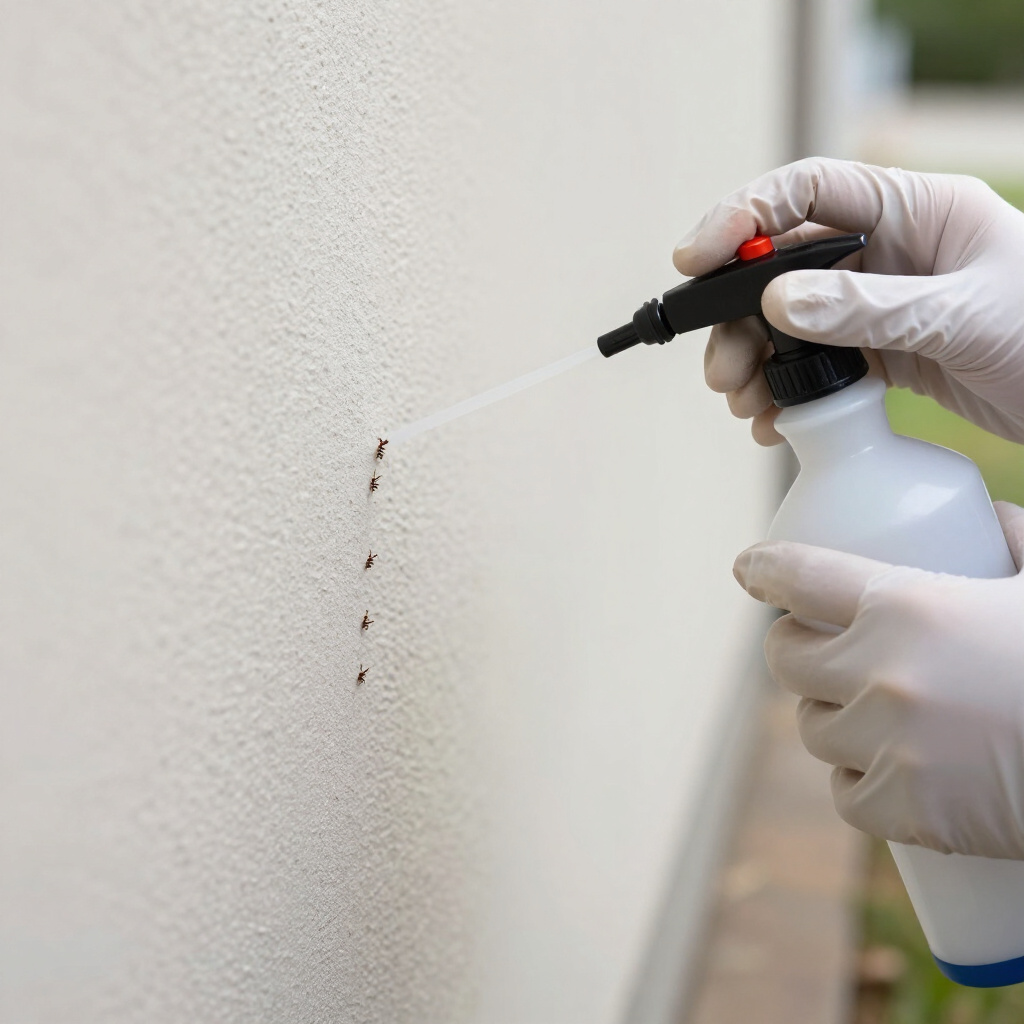
Ants are perhaps the most ubiquitous household invaders, with species like odorous house ants, carpenter ants, and pavement ants regularly making their way indoors. These persistent foragers typically enter through tiny cracks around windows, doors, and foundations, drawn by accessible food and moisture. Prevention starts with meticulous cleanliness—wipe counters daily, store food in airtight containers, fix leaky pipes, and seal all potential entry points with caulk. For carpenter ants specifically, remove decaying wood from your property and ensure proper ventilation in crawl spaces and attics.
Cockroaches thrive in warm, humid environments and can squeeze through gaps as small as one-sixteenth of an inch. German cockroaches and American cockroaches are particularly problematic because they reproduce rapidly and can trigger allergies and asthma. Keep these resilient pests at bay by eliminating moisture sources, taking out garbage frequently, storing pet food securely, and decluttering areas where roaches might hide. Pay special attention to kitchen appliances and cabinet voids where crumbs accumulate unnoticed.
Spiders generally enter homes while hunting other insects, which means their presence often indicates a broader pest issue. While most household spiders are harmless, their webs create an unkempt appearance and cause anxiety for many homeowners. Reduce spider populations by controlling their prey—flies, moths, and other insects—through proper exterior lighting (yellow sodium vapor bulbs attract fewer bugs), maintaining screens on windows, and removing vegetation that touches your home's exterior.
Rodents including mice and rats pose serious concerns, gnawing through electrical wiring, contaminating food, and spreading disease. These opportunistic invaders can enter through dime-sized openings and are excellent climbers. Prevent rodent problems by sealing exterior gaps with steel wool and caulk, keeping firewood elevated and away from your foundation, trimming tree branches that overhang your roof, and eliminating outdoor food sources like birdseed and unsecured garbage.
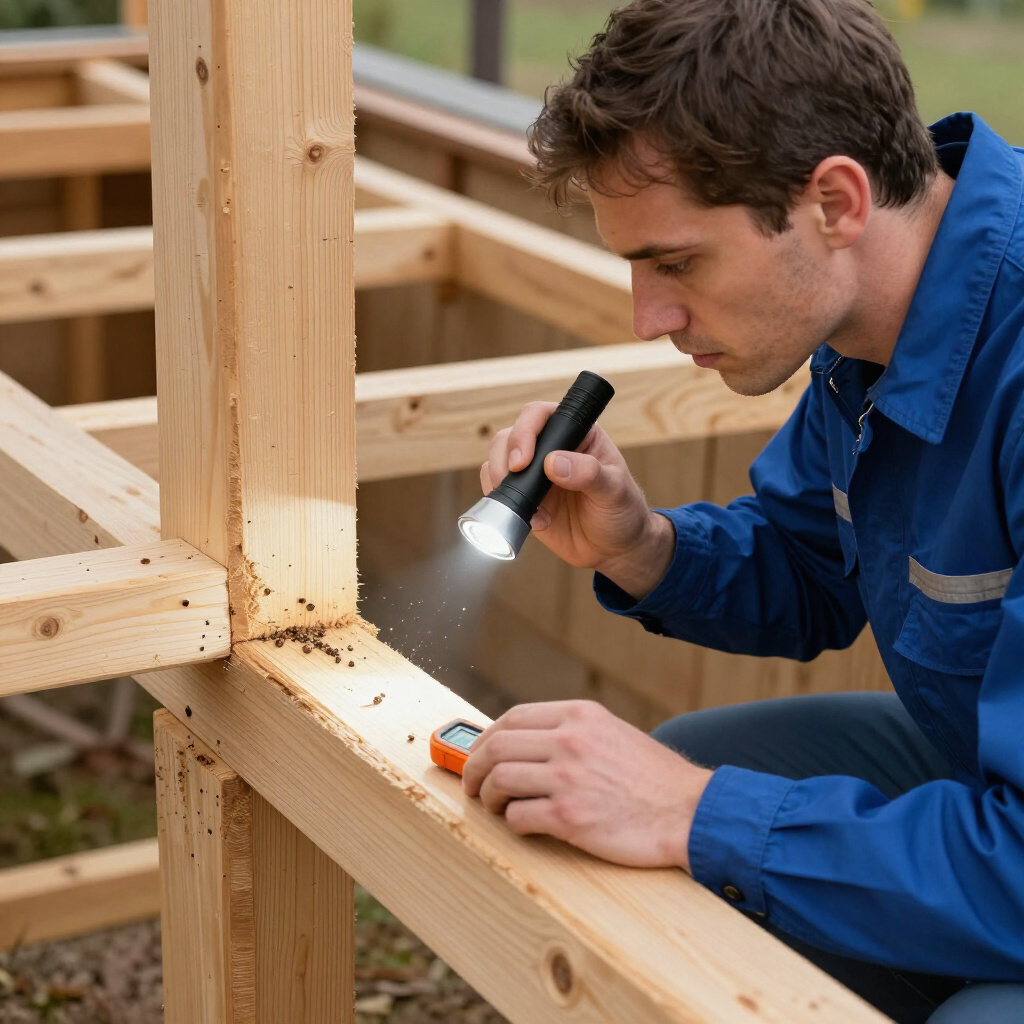
Termites represent one of the most financially devastating pest threats, causing structural damage that often goes undetected for years. Subterranean termites require soil contact and moisture, while drywood termites can infest directly above ground. Protect your investment by maintaining proper drainage away from your foundation, repairing damaged wood promptly, keeping mulch and soil at least six inches from siding, and scheduling annual professional inspections—especially if you live in high-risk regions.
Bed bugs have made a significant resurgence in recent decades, hitchhiking into homes via luggage, used furniture, and clothing. These nocturnal blood-feeders are notoriously difficult to eliminate once established. Prevent introduction by inspecting hotel rooms when traveling, laundering clothes on high heat after trips, carefully examining secondhand items before bringing them home, and using protective encasements on mattresses and box springs.
Seasonal Pest Patterns to Understand
Pest pressure fluctuates throughout the year, and aligning your prevention efforts with seasonal behavior dramatically improves effectiveness. Spring brings termite swarming and increased ant activity as colonies expand. Summer months see peak populations of mosquitoes, flies, and stinging insects. Fall triggers rodent migration indoors seeking warmth, while winter may drive overwintering pests like stink bugs and lady beetles into wall voids and attics.
Adapt your approach by conducting thorough exterior inspections each season, adjusting landscaping practices, and modifying storage habits. Spring is ideal for foundation maintenance and moisture correction; summer calls for diligent food sanitation; autumn demands attention to entry point reinforcement; and winter provides opportunity for indoor decluttering and professional pest assessments.
Key Tips for Long-Term Pest Management
Sustainable pest prevention relies on integrated strategies rather than reactive treatments. Consider these foundational principles for lasting protection:
Exclusion is your strongest defense. No amount of chemical treatment compensates for poor structural maintenance. Walk your property quarterly with a critical eye, repairing damaged screens, replacing worn weatherstripping, sealing utility penetrations, and addressing deteriorating mortar or siding. Think like a pest—if you can see daylight or feel airflow, it's large enough for entry.
Moisture control solves multiple problems simultaneously. Termites, cockroaches, silverfish, and many other pests require humid conditions. Install dehumidifiers in basements and crawl spaces, ensure bathroom and kitchen exhaust fans vent properly outdoors, grade soil to direct water away from foundations, and clean gutters regularly to prevent overflow and wood rot.
Landscaping choices matter enormously. Maintain a vegetation-free buffer of at least twelve inches around your foundation. Avoid dense ground covers that trap moisture and harbor pests. Position firewood, compost bins, and storage sheds away from your home's perimeter. Consider pest-resistant plant varieties and resist over-mulching, which creates ideal conditions for termites and ants.
Know when professional expertise becomes essential. Most Common Household Pests and How to Prevent Them is valuable knowledge, but certain situations warrant expert intervention. Recurring infestations despite your efforts, signs of structural damage, health-threatening species like venomous spiders, and any suspected termite activity all deserve prompt professional assessment. Licensed pest control technicians possess specialized tools, products, and training that homeowners cannot replicate.
Documentation helps identify patterns. Maintain simple records of when and where you observe pest activity. Note weather conditions, recent changes to your property, and any treatments applied. This information proves invaluable for diagnosing root causes and enables more targeted, effective responses.
Final Thoughts
Protecting your home from pests is fundamentally about vigilance and consistency rather than dramatic interventions. The homeowners who experience the fewest problems are those who treat prevention as an ongoing practice—addressing small issues before they become infestations, maintaining their property proactively, and staying observant to early warning signs. By understanding Most Common Household Pests and How to Prevent Them, you've already taken the most important step toward a cleaner, more comfortable living environment. Implement these strategies gradually, prioritize based on your specific risks and observations, and don't hesitate to partner with qualified professionals when situations exceed your comfort or capability. A pest-free home is absolutely achievable with informed, sustained effort.