
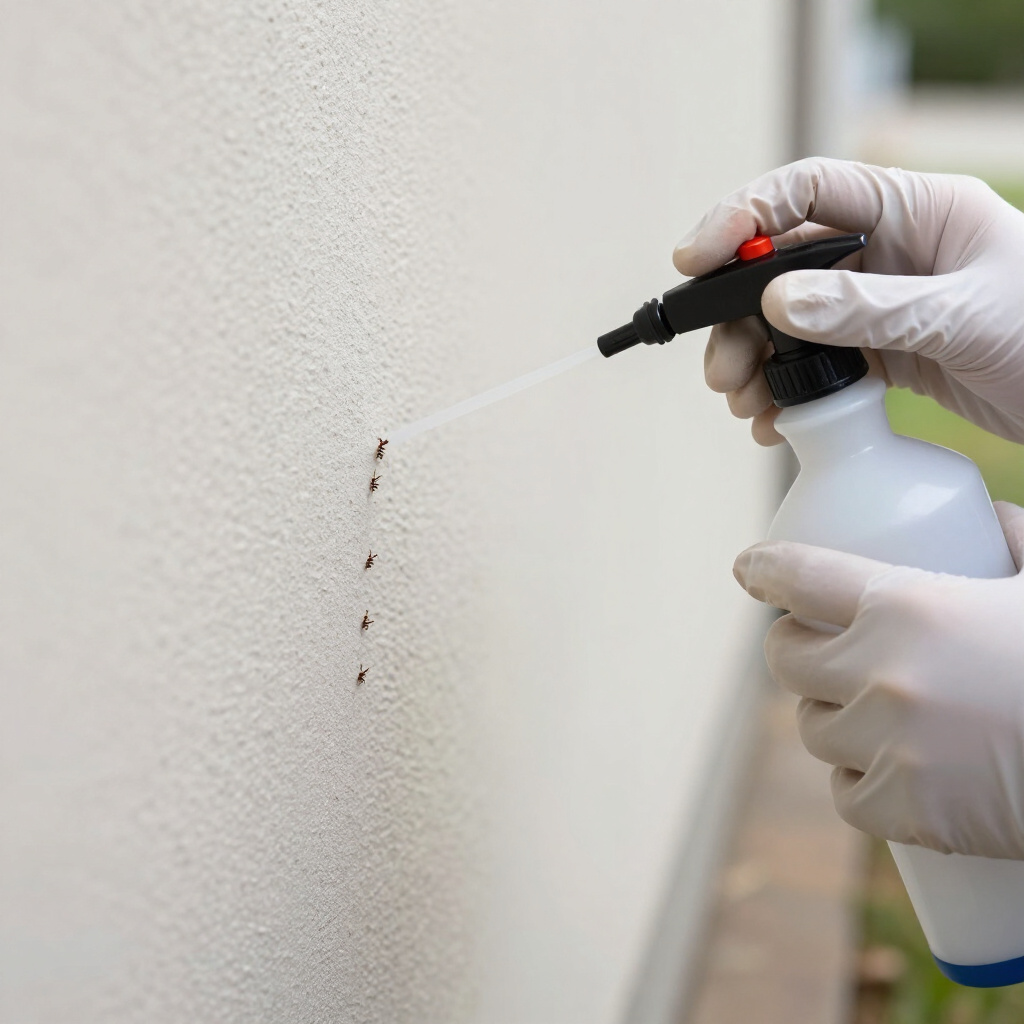


When ants march across your kitchen counter or aphids cluster on your tomato plants, reaching for a chemical spray might feel like the quickest fix. But more homeowners are discovering that natural pest control methods can be just as effective—without the harsh residues, safety concerns, or environmental impact. The key is knowing which approaches actually deliver results and how to apply them strategically. Whether you're protecting your garden, your home, or your family's health, these proven techniques can help you manage pests the natural way.
Natural Pest Control Methods for a Healthier Home and Garden
Effective natural pest control starts with understanding that not all "green" solutions are created equal. Some home remedies circulate endlessly online with little evidence to back them up. The methods below have stood up to real-world testing and offer genuine protection against common invaders.
Beneficial insects rank among the most powerful tools in natural pest management. Ladybugs devour aphids, mealybugs, and spider mites at impressive rates—one ladybug can consume thousands of aphids in its lifetime. Lacewings and parasitic wasps target caterpillars, scale insects, and other destructive garden pests. Attract these allies by planting dill, fennel, yarrow, and cosmos, or purchase them from reputable suppliers for targeted releases.
Neem oil works as both a repellent and insect growth disruptor. Derived from the neem tree, this botanical extract affects feeding and reproduction in over 200 pest species, including whiteflies, thrips, and Japanese beetles. It breaks down quickly in sunlight, making it safe for pollinators when applied during evening hours. For best results, mix with a small amount of insecticidal soap to improve coverage on plant surfaces.
Food-grade diatomaceous earth provides excellent mechanical control for crawling insects. This powdery substance consists of microscopic fossilized algae that abrade the waxy outer layer of insects like ants, cockroaches, and bed bugs, causing dehydration. Apply a thin, visible layer along baseboards, behind appliances, and in garden pathways. Reapply after rain or heavy moisture, as water reduces its effectiveness.
Essential oil sprays offer targeted repellency with pleasant aromas. Peppermint oil deters spiders and ants, while rosemary and thyme oils repel mosquitoes and flies. Create a simple spray by combining 10-15 drops of essential oil with water and a teaspoon of castile soap. Test on a small area first, as some oils can damage sensitive plants. These sprays require more frequent reapplication than synthetic alternatives but avoid toxic chemical exposure entirely.
Prevention Strategies That Reduce Pest Pressure
The most successful natural pest control programs emphasize prevention over reaction. A few structural and cultural changes dramatically decrease the likelihood of serious infestations.
Seal entry points meticulously. Mice squeeze through gaps as small as a dime, while insects exploit even tinier cracks. Inspect your home's exterior annually, paying special attention to utility penetrations, window frames, and foundation seams. Use steel wool for rodent entry points (they cannot gnaw through it), and apply silicone caulk for smaller gaps. Door sweeps and weatherstripping eliminate the most common access routes.
Manage moisture diligently. Many pests require humid conditions to thrive. Fix leaky faucets, improve bathroom ventilation, and ensure gutters direct water away from your foundation. In gardens, water at soil level in morning hours so foliage dries quickly, reducing fungal diseases and the pest problems they attract.
Practice companion planting strategically. Certain plant combinations naturally deter pests through scent confusion or by hosting beneficial predators. Marigolds repel nematodes and many above-ground pests with their root secretions. Nasturtiums act as trap crops, drawing aphids away from vegetables. Basil planted near tomatoes improves flavor while repelling flies and mosquitoes. These traditional pairings reflect generations of observed effectiveness.
Maintain cleanliness without over-sterilizing. kitchens attract pests when crumbs accumulate or pet food remains accessible. Store dry goods in glass or sturdy plastic containers with tight lids. Empty indoor trash regularly and clean recycling bins to eliminate food residue. However, avoid completely sterile garden conditions—a modest diversity of insects supports natural balance and prevents any single pest from dominating.
Key Tips for Maximizing Natural Methods
Even proven techniques fail when applied haphazardly. These practical considerations help ensure your natural pest control efforts succeed.
Timing matters enormously with botanical treatments. Apply neem oil, insecticidal soaps, and essential oil sprays during cooler evening hours when beneficial pollinators have returned to their nests. This protects bees, butterflies, and other essential insects while still targeting active pests. Reapply after rainfall, as most natural treatments lack the persistence of synthetic chemicals.
Correct identification prevents wasted effort. Ant baits work poorly on species that prefer proteins over sugars. Cutworms require different tactics than cabbage loopers. Take clear photos or capture specimens for identification through your local cooperative extension service before selecting your approach.
Patience and persistence separate successful natural pest control from abandoned experiments. These methods often work more gradually than chemical alternatives, disrupting pest cycles over days or weeks rather than delivering instant mortality. Document what you observe, adjust applications based on results, and allow reasonable time before switching strategies.
Combine methods for complex problems. A single technique rarely addresses every aspect of an established infestation. Pair physical barriers like row covers with beneficial insect releases. Use diatomaceous earth indoors while sealing exterior entry points. This integrated approach mirrors professional pest management philosophy while maintaining natural integrity.
Final Thoughts
Natural pest control methods that actually work combine ecological understanding with consistent application. By recruiting beneficial insects, using targeted botanical treatments, practicing diligent prevention, and applying techniques with proper timing, you can protect your home and garden effectively without relying on synthetic chemicals. The investment in learning these approaches pays dividends through safer living spaces, healthier gardens, and the satisfaction of working with natural systems rather than against them. Start with one or two methods suited to your specific pest challenges, observe the results, and expand your natural toolkit as your confidence grows.