
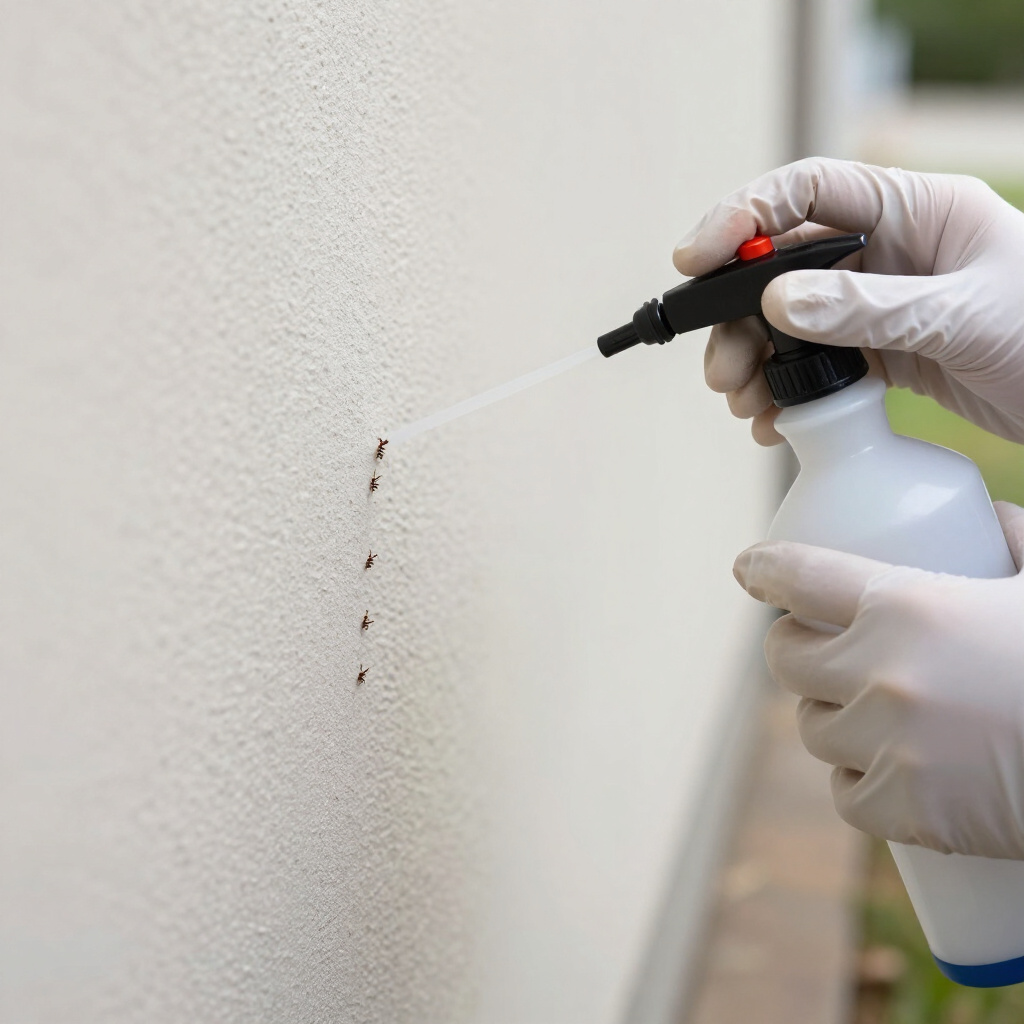


Pests don't take vacations. As the seasons shift, so do the critters trying to make your home their own. What keeps ants at bay in July won't necessarily stop mice from invading in November. A reactive approach—reaching for a spray only after spotting a cockroach in the kitchen—often means you're already behind. The smarter strategy? A year-round seasonal pest control checklist that anticipates problems before they start. Here's your room-by-room, season-by-season guide to keeping your home protected no matter what the weather brings.
Your Seasonal Pest Control Checklist Starts with Spring
As temperatures rise and dormant landscapes wake up, pests emerge hungry and ready to reproduce. This is the season of awakening—for your garden and for termite swarmers, ants, spiders, and early mosquitoes.
Begin your spring pest control checklist with a thorough exterior inspection. Walk your property and look for standing water in clogged gutters, birdbaths, or unused pots—these are mosquito breeding factories waiting to happen. Trim shrubs and tree branches back at least 12 inches from your home's exterior walls; overgrown vegetation creates highways directly to your foundation and roofline.
Inside, focus on moisture control. Check under sinks, around water heaters, and in basements for leaks or condensation. Spring humidity draws silverfish, centipedes, and carpenter ants to damp spaces. Seal any cracks around windows and doors with weatherstripping or caulk, paying special attention to utility entry points where pipes and wires penetrate walls.
Now is also the ideal time to schedule a professional termite inspection. Subterranean termites swarm in spring, and catching an early colony before it establishes itself can save thousands in structural repairs.
Summer: Peak Activity Demands Vigilance
Summer brings the year's highest pest pressure. Warm nights, abundant food sources, and rapid reproduction cycles mean small problems explode quickly into infestations.
Your summer pest control checklist should prioritize outdoor management. Keep garbage in sealed containers with tight-fitting lids, and rinse recyclables before storing them—fruit flies and yellow jackets are drawn to even trace amounts of sugar. If you grill or eat outdoors, clean surfaces immediately after meals; a few dropped crumbs can summon an ant trail within hours.
Mosquitoes remain the season's most relentless nuisance. Beyond eliminating standing water, consider treating outdoor resting areas—shaded decks, porch ceilings, and dense foliage—where adults shelter during daylight hours. For tick prevention, keep lawn grass cut short and create a three-foot barrier of wood chips or gravel between wooded areas and play spaces.
Indoors, monitor for signs of the pests summer heat drives inside seeking cool refuge. Check pantry goods for Indian meal moths and weevils that hitchhike home in bulk grains and pet food. Run dehumidifiers in basements and crawl spaces to make conditions less appealing for moisture-loving invaders.
Fall: The Rush to Get Indoors
When temperatures drop, the direction of pest movement reverses dramatically. Rodents, overwintering insects, and spiders begin pushing inside with singular determination—making fall perhaps the most critical season for preventive action.
Your fall pest control checklist must focus on exclusion. Mice can squeeze through gaps as small as a dime; rats need only a quarter-sized opening. Inspect your foundation for cracks, gaps around dryer vents, and spaces beneath garage doors. Install door sweeps, repair damaged screens, and cap chimney openings.
Stink bugs, boxelder bugs, and Asian lady beetles seek warm wall voids and attics to overwinter. These nuisance invaders don't damage structures, but their accumulated presence creates odor problems and can trigger allergic reactions. Seal exterior openings before the first cold snap triggers their mass migration.
Inside, declutter storage areas where rodents would nest. Move firewood at least 20 feet from your home's exterior—it's a favored harborage for mice, spiders, and termites. As you pull out holiday decorations from attic storage, inspect boxes for droppings, gnaw marks, or nesting material that would indicate a summer-long rodent presence.
Winter: Maintenance and Monitoring
Pest activity slows but doesn't stop when snow falls. Your winter pest control checklist shifts from prevention to detection and response.
With insects largely dormant, rodents become the primary concern. Mice and rats remain active year-round indoors, and winter's limited outdoor food sources intensify their interest in your pantry. Store dry goods in glass or heavy plastic containers with tight lids. Check cabinet bases and behind appliances for droppings or grease marks along baseboards—telltale signs of nocturnal activity.
Inspect attic spaces for roof rat or squirrel entry. These excellent climbers exploit loose soffits, damaged fascia boards, or gaps near utility lines. Winter's temperature differentials between attic and outdoor air can reveal drafts that indicate hidden openings.
Use the slower season to catch up on maintenance tasks that support year-round protection. Deep-clean kitchen appliances, including the often-neglected space beneath refrigerator coils where food debris accumulates. Service your HVAC system and replace filters—proper airflow reduces moisture buildup that attracts pests.
Key Tips for Making Your Checklist Stick
A seasonal pest control checklist only works if you actually follow it. Build reminders into your digital calendar aligned with equinoxes and solstices—these natural transition points make ideal trigger dates. Photograph your home's exterior each season; comparing images over time helps spot developing vulnerabilities like new cracks or deteriorating seals before they become entry points.
Keep a simple home maintenance log. Note what you inspected, what you found, and what you fixed. This documentation proves invaluable when selling your home and helps identify recurring problem areas that may need professional attention.
Know when DIY efforts reach their limit. Persistent ant trails despite baiting, scratching sounds in walls, or unexplained wood damage all warrant professional evaluation. Pest control technicians bring targeted treatments, specialized equipment, and trained observation skills that complement your seasonal maintenance routine.
Finally, remember that your neighbors' pest pressures affect yours. Communicate with adjoining property owners about coordinated efforts—particularly for mosquitoes, rodents, and termites that don't respect fence lines.
Final Thoughts
Effective home pest management isn't about dramatic interventions or chemical-heavy responses. It's the accumulated effect of small, seasonally appropriate actions taken consistently over time. Your seasonal pest control checklist transforms overwhelming possibility into manageable routine—one season, one inspection, one sealed gap at a time.
Start wherever you are in the calendar cycle. Complete the current season's tasks fully, then work backward to address anything missed. Within a full year, you'll have established protective habits that dramatically reduce your home's pest vulnerability while catching genuine problems early, when they're simplest and least expensive to resolve. The peace of mind that comes from proactive protection? That's available in every season.