

Termites are silent destroyers that can cause extensive damage to your home before you even realize they're there. Unlike other pests that announce their presence boldly, termites work quietly behind walls, under floors, and in hidden spaces—often going unnoticed for months or even years. Learning to recognize the early warning signs can save you thousands of dollars in repairs and protect the structural integrity of your biggest investment. Whether you're a new homeowner or have lived in your house for decades, knowing what to look for is your first line of defense.
Signs You May Have Termites in Your Home
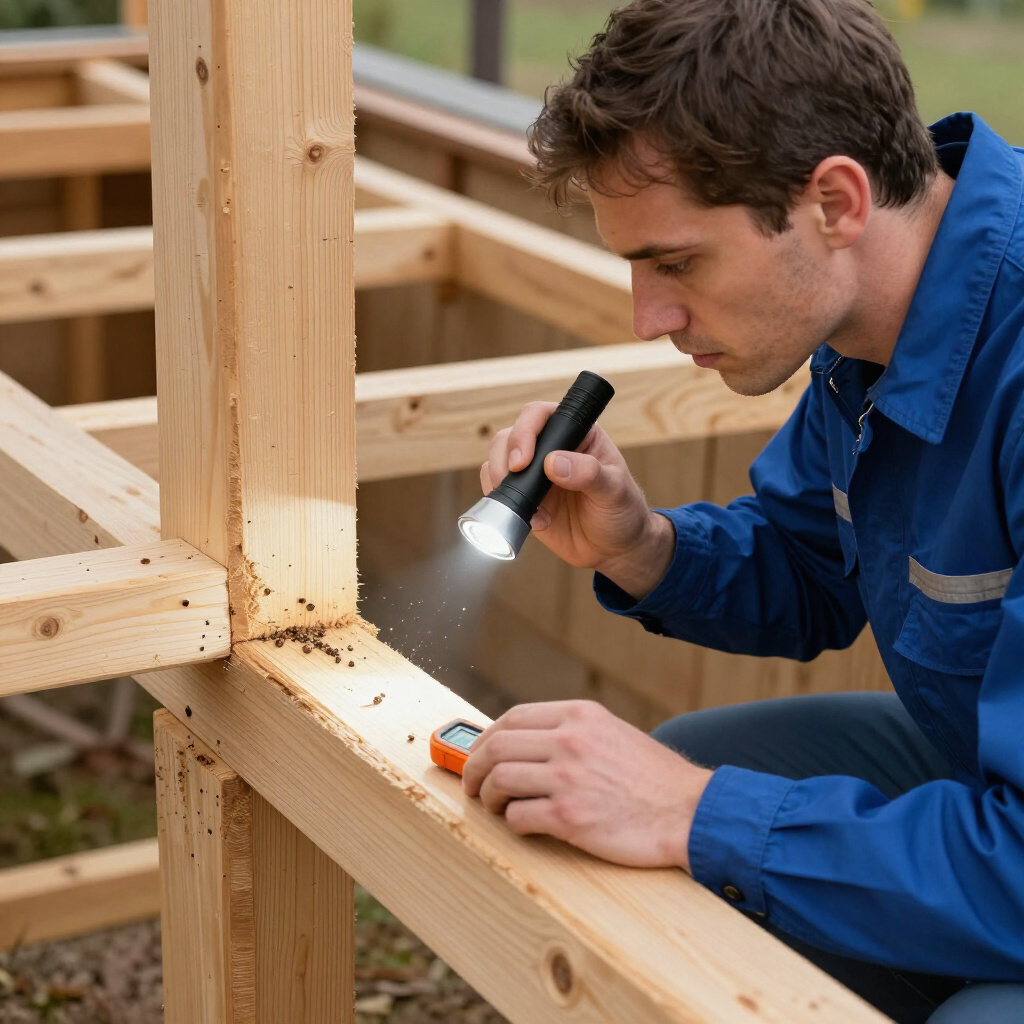
The most obvious indicators of a termite problem aren't always what you'd expect. Many homeowners look for visible insects, but termites rarely expose themselves. Instead, you need to watch for subtle changes in and around your property. One of the most telling signs you may have termites is the presence of mud tubes. Subterranean termites—the most common and destructive species—build these pencil-width tunnels from soil, wood particles, and saliva to travel between their underground colony and their food source. You'll typically find mud tubes along your foundation walls, crawl spaces, or any area where wood meets soil. Break one open, and you may see active worker termites inside. Damaged or hollow-sounding wood is another major red flag. Tap on baseboards, window sills, door frames, and wooden floors with the handle of a screwdriver. Healthy wood sounds solid; termite-damaged wood sounds hollow or papery. Termites eat wood from the inside out, leaving a thin veneer of paint or wood grain intact while hollowing out the interior. By the time the surface shows damage, the destruction underneath is often severe. Discarded wings near windowsills, doorways, or light fixtures indicate a recent termite swarm. Reproductive termites, called swarmers, leave the colony to mate and establish new colonies. They shed their wings after landing, leaving behind small piles of delicate, equal-sized wings. Finding these wings—especially in spring—strongly suggests an active or nearby colony. Frass, or termite droppings, resembles small piles of sawdust or coffee grounds. Drywood termites push their fecal pellets out of tiny kick holes in the wood they're infesting. Unlike subterranean termites, drywood species don't need soil contact and can thrive entirely within wooden structures. Finding frass beneath furniture, on windowsills, or near wooden beams warrants immediate professional inspection. Bubbling or peeling paint that resembles water damage often masks termite activity beneath the surface. As termites consume wood and introduce moisture into walls, the paint or wallpaper may warp, blister, or discolor. Before assuming you have a plumbing leak, consider that termites could be the true culprit.
Structural and Environmental Warning Signs
Beyond the direct evidence termites leave behind, certain structural conditions and environmental clues can signal elevated risk or hidden activity. Doors and windows that suddenly become difficult to open or close may indicate termite damage to surrounding frames. As termites consume the wood and moisture accumulates, frames warp and shift. This symptom is frequently mistaken for seasonal humidity changes or normal settling. Sagging floors, buckling laminate, or loose tiles can result from compromised subflooring. Termites often target the structural supports beneath visible flooring, causing instability long before surface damage appears. If you notice unusual softness or movement when walking across certain areas, investigate further. Your yard itself can reveal termite pressure before they reach your home. Dead trees, rotting stumps, or fallen branches with visible galleries indicate nearby termite populations. Woodpiles stacked against your house, untreated fence posts buried in soil, and excessive mulch near the foundation all create bridges and attractants that encourage termite exploration. Moisture problems amplify termite risk significantly. Poor drainage, clogged gutters, leaking outdoor faucets, and inadequate ventilation in crawl spaces create ideal conditions for termites. If your property struggles with dampness, your vigilance should increase proportionally.
Key Tips for Early Detection and Prevention
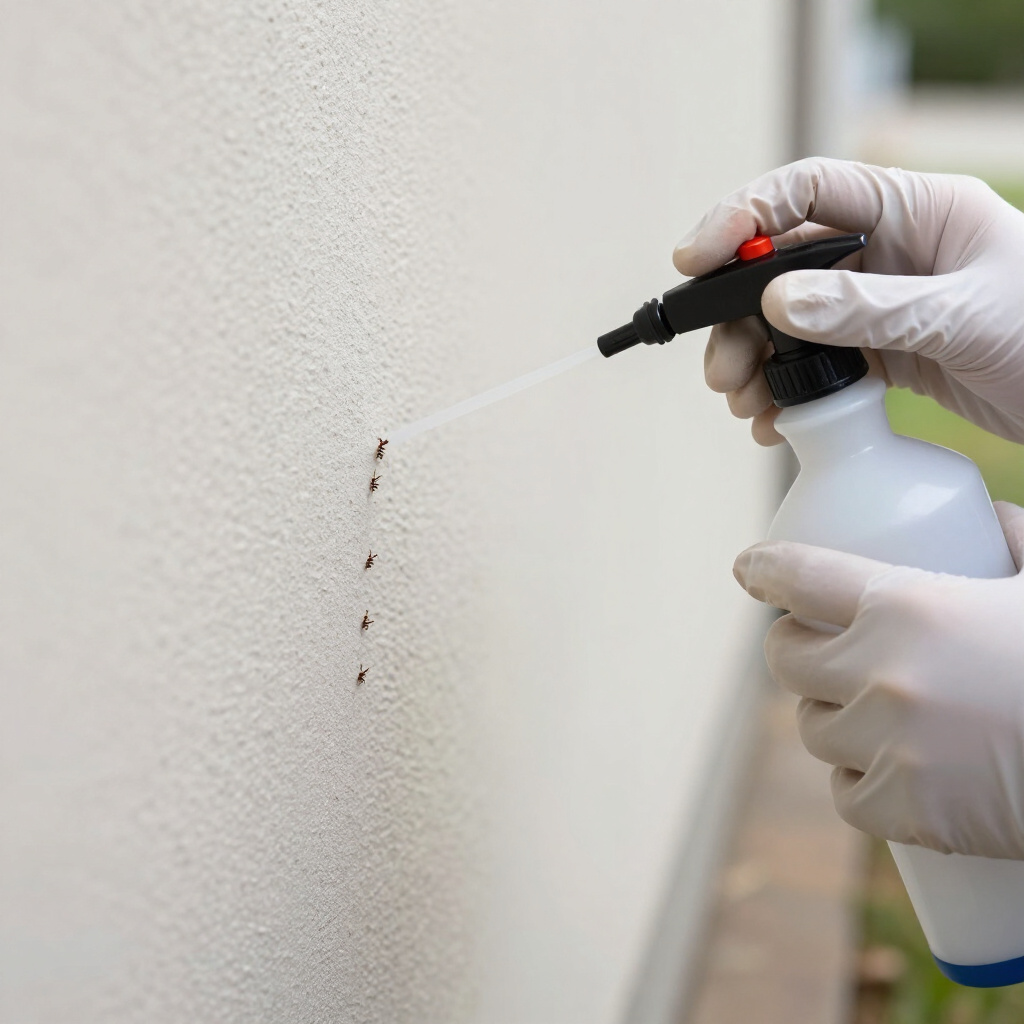
Regular inspection is your most powerful tool for catching termite problems before they escalate. Conduct your own visual inspection at least twice yearly, focusing on the foundation perimeter, crawl spaces, attic, and any areas where wood contacts soil or concrete. Maintain a minimum 18-inch clearance between soil and wooden portions of your home. Remove or replace any wooden debris, lumber, or cellulose materials stored near the foundation. Ensure gutters direct water well away from your house, and address any plumbing leaks promptly. Consider scheduling professional termite inspections annually, even if you see no signs of activity. Licensed pest control technicians have specialized training, moisture meters, thermal imaging equipment, and other tools that detect hidden infestations impossible to identify through casual observation. If you discover any signs you may have termites, resist the urge to treat the problem yourself. Over-the-counter sprays and bait stations rarely eliminate established colonies and can actually worsen the situation by causing termites to retreat deeper into structures or spread to new areas. Professional treatment tailored to the specific termite species and extent of infestation is essential for complete eradication and lasting protection.
Final Thoughts
Termites cause more property damage annually than fires, floods, and storms combined—yet standard homeowner's insurance rarely covers their destruction. This reality makes proactive awareness and prevention absolutely critical. The signs discussed here aren't cause for panic, but they do demand respectful attention and timely action. Remember that termite damage progresses gradually. One month of delay rarely makes a dramatic difference, but one year of inattention certainly can. Train yourself to notice the subtle indicators, establish good maintenance habits that reduce conducive conditions, and partner with qualified professionals when protection or treatment becomes necessary. Your home's longevity—and your peace of mind—depend on it. If you've observed any of the warning signs mentioned, contacting a pest control specialist for a thorough inspection is the wisest next step you can take.