
There's a certain pride that comes with handling home maintenance on your own. A tightened faucet here, a patched wall there—small victories that remind you who's in charge of your castle. But when you notice the telltale signs of unwanted visitors scurrying through your walls or across your kitchen floor, the DIY spirit can quickly turn from confidence to costly mistake. Knowing when to call a pest control professional can save your home, your health, and your peace of mind.
When to Call a Pest Control Professional: The Warning Signs
Some pest problems announce themselves boldly, while others lurk silently, causing damage long before you spot a single insect. Understanding these warning signs helps you act before a minor nuisance becomes a major infestation.
Visible pests during daylight hours. Most household pests are nocturnal by nature. When you start seeing cockroaches, rodents, or other critters during the day, it typically means their population has grown large enough that some members are being forced out of hiding. This is one of the clearest signals that over-the-counter solutions won't cut it anymore.
Persistent droppings or shed skins. Finding fresh droppings, urine stains, or insect sheddings after you've already cleaned thoroughly indicates an active, established population. Mice can produce dozens of droppings daily, and cockroach skins accumulate rapidly in hidden harborage areas.
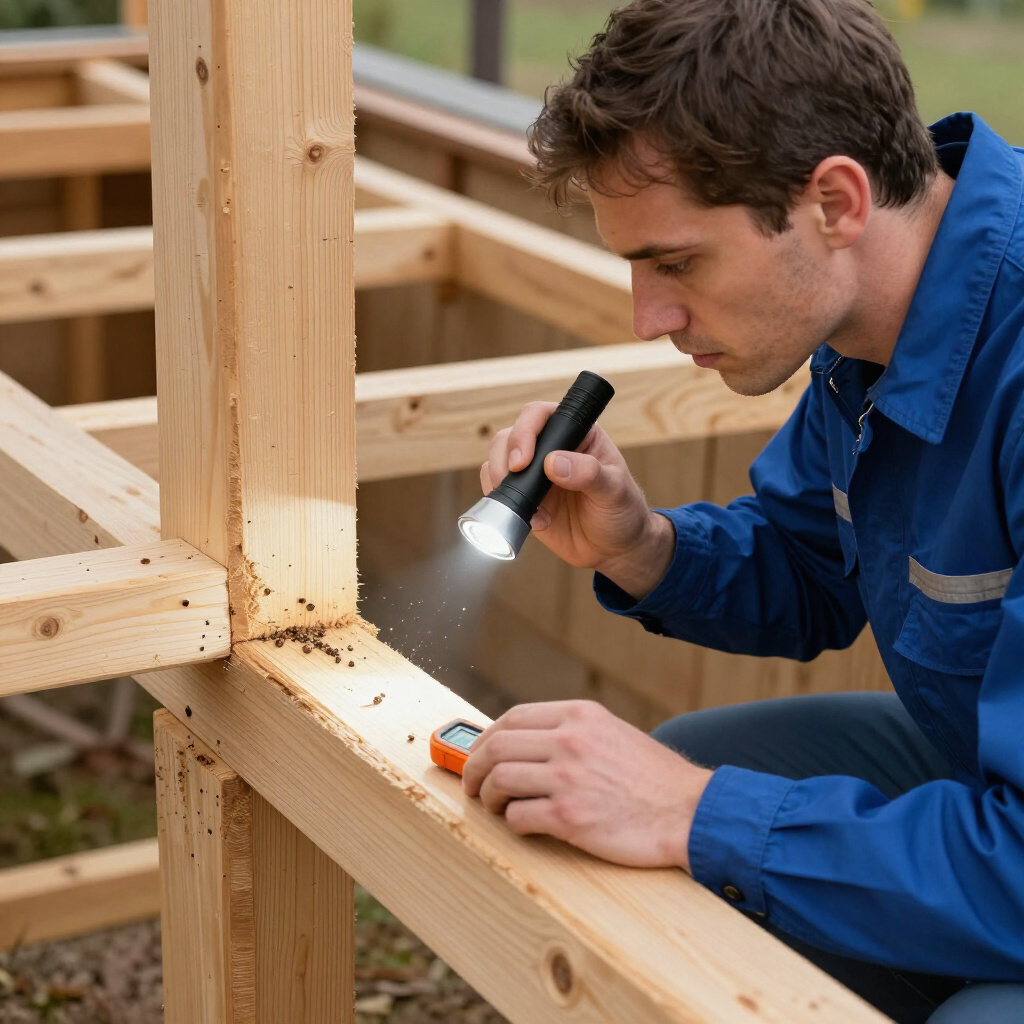
Unexplained damage to your home. Gnaw marks on baseboards, chewed electrical wiring, hollow-sounding wood, or mysterious holes in fabric and food packaging all point to pest activity that requires professional assessment. Termites alone cause billions in property damage annually, much of it hidden until extensive repairs are needed.
Strange sounds and odors. Scratching in walls, scurrying in attics, or a persistent musty, ammonia-like smell often indicate rodent nests. A sweet, rotting odor can signal a deceased animal trapped in your walls or crawl space—something no homeowner wants to locate without expert help.
Recurring problems despite your efforts. If you've tried store-bought sprays, traps, or natural remedies and the pests keep returning, you're likely treating symptoms rather than the source. Professionals identify entry points, nesting sites, and the specific species to create targeted solutions.
The Risks of Waiting Too Long
Delaying professional intervention rarely works in your favor. Pest populations reproduce exponentially, and many species become more challenging to eliminate as they establish themselves.
Health hazards escalate quickly. Rodents carry hantavirus, salmonella, and leptospirosis. Cockroaches trigger asthma and allergies, particularly in children. Bed bugs cause sleepless nights and secondary skin infections from scratching. Some spider bites require immediate medical attention. The longer these pests share your space, the greater your family's exposure to genuine health risks.
Structural damage compounds. Carpenter ants and termites compromise wooden supports silently. Rodents chew through electrical wiring, creating fire hazards. Silverfish destroy books, photographs, and wallpaper. What begins as a small inconvenience can evolve into thousands of dollars in repairs.
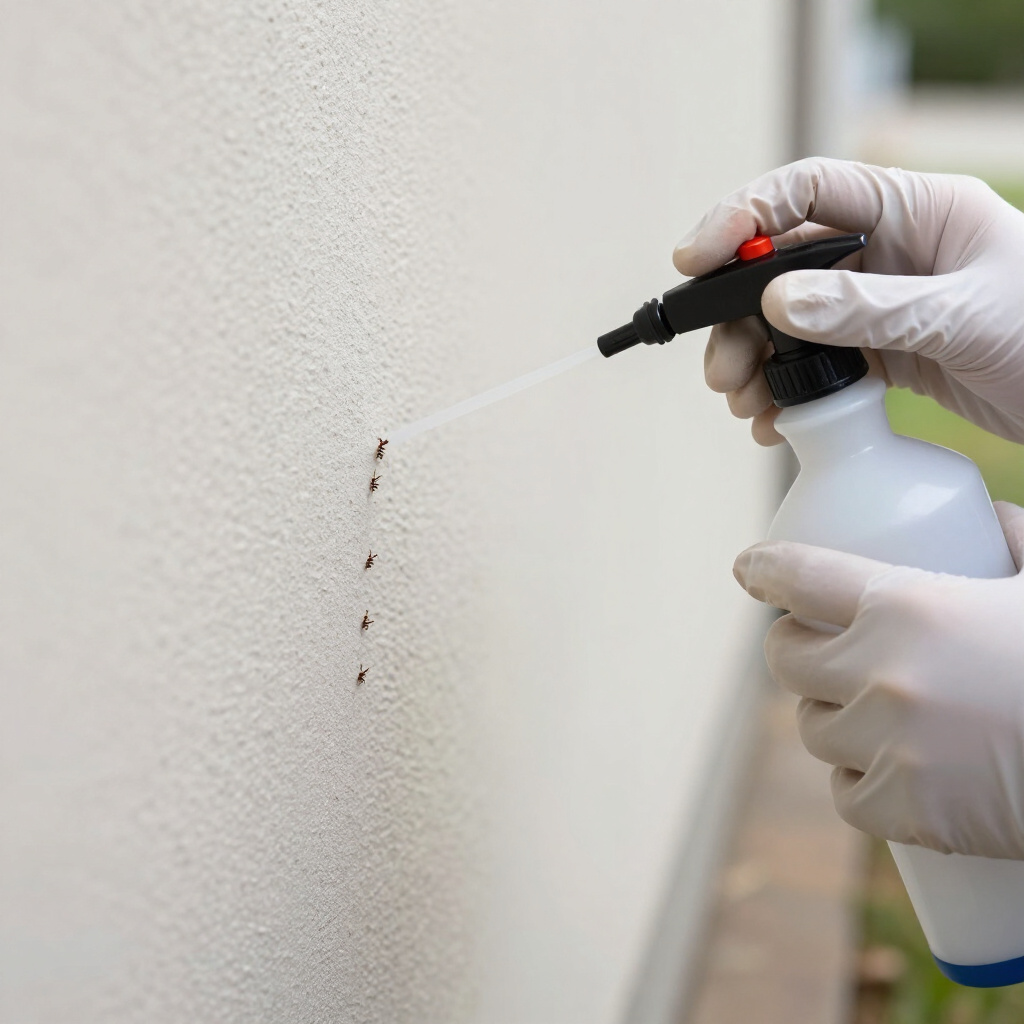
DIY attempts can worsen the situation. Misapplied pesticides may scatter pests deeper into your home rather than eliminating them. Improper use of chemicals poses risks to children, pets, and beneficial wildlife. Some over-the-counter products can even trigger budding in certain ant species, effectively splitting one colony into several.
Key Tips for Choosing the Right Professional
Not all pest control services offer the same quality of care. When you're ready to bring in an expert, these considerations help ensure you receive effective, responsible treatment.
Verify licensing and insurance. Legitimate professionals carry state-required licenses and liability insurance. Don't hesitate to ask for documentation—reputable companies provide this readily.
Seek integrated pest management approaches. The best professionals emphasize prevention, use pesticides judiciously, and tailor solutions to your specific situation rather than applying blanket treatments. Ask how they identify pests, what non-chemical methods they employ, and how they minimize environmental impact.
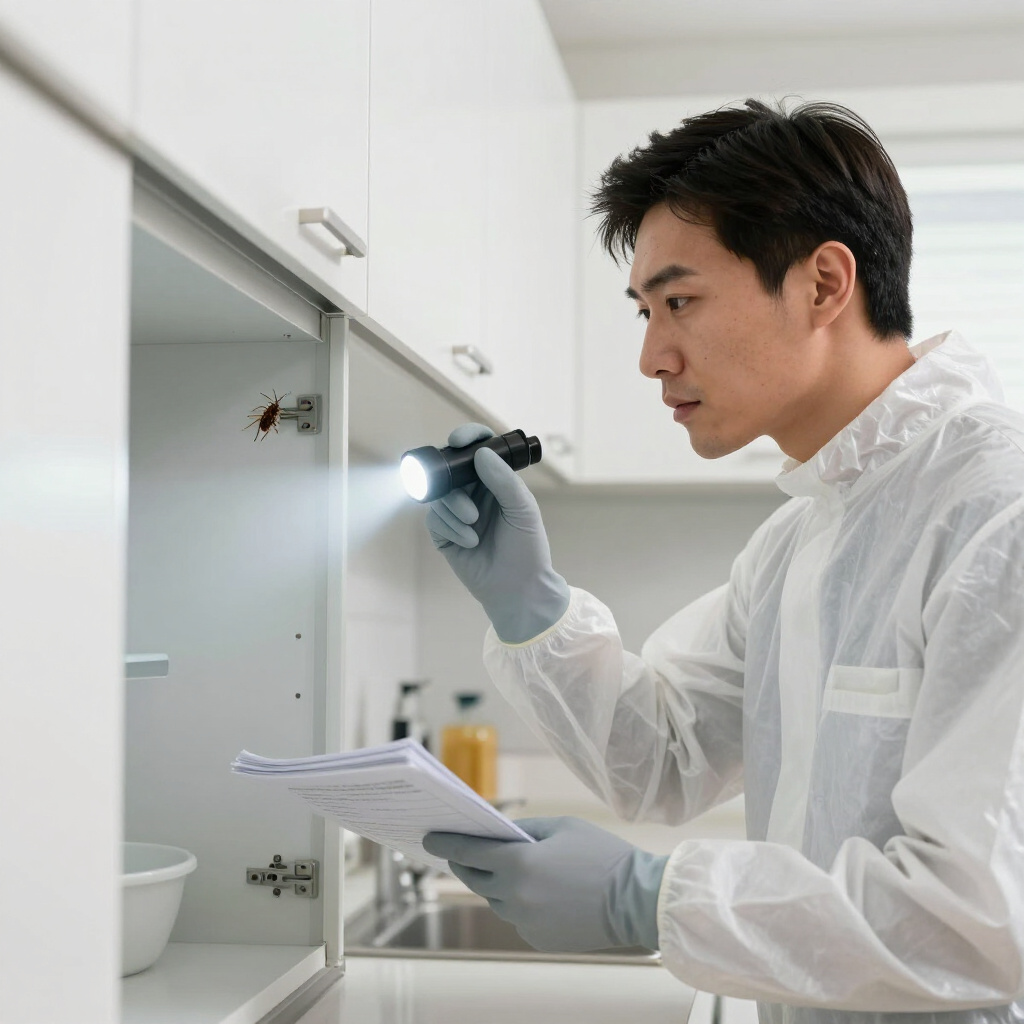
Request a detailed inspection and plan. Quality pest control begins with thorough investigation, not instant spraying. A professional should examine your property's exterior and interior, identify entry points, explain what species they're targeting, and outline a clear treatment strategy with follow-up protocols.
Understand guarantees and follow-up. Effective pest management often requires multiple visits. Clarify what's included in your service agreement, whether return visits incur additional charges, and what timeline you should expect for resolution.
Prepare your household properly. Before treatment, follow your technician's guidance regarding food storage, pet arrangements, and access to treatment areas. Afterward, implement recommended exclusion measures—sealing cracks, repairing screens, managing moisture, and maintaining landscaping—to prevent reinfestation.
Communicate openly about concerns. If you have small children, sensitive pets, or health conditions that might affect treatment choices, discuss these upfront. Modern pest control offers many options, and your professional can adjust approaches to accommodate your household's needs.
Final Thoughts
There's no shame in recognizing when a problem exceeds your expertise. Your home represents one of your largest investments, and your family's wellbeing is irreplaceable. When to call a pest control professional comes down to a simple truth: early intervention by qualified experts costs less—in money, stress, and potential harm—than prolonged battles with escalating infestations.
Trust your instincts. If something feels off, if you've tried reasonable measures without success, or if you're simply unsure what you're dealing with, reaching out to a licensed professional brings clarity and effective solutions. The most capable homeowners know which challenges to tackle themselves and which deserve expert attention. Pest control falls firmly in the latter category when warning signs appear—protecting what matters most deserves nothing less than professional care.