

How to Choose a Pest Control Professional in Davenport
Finding the right pest control provider in Davenport means looking beyond flashy advertising to evaluate what actually matters for your home or business. In Scott County, where the Mississippi River and seasonal humidity create ideal conditions for pests year-round, local expertise isn't optional—it's essential.
Start by verifying state licensing through the Iowa Department of Agriculture. Any legitimate operator must carry proper certification for pesticide application. Ask specifically about experience with Davenport's most persistent problems: boxelder bugs clustering on south-facing walls each fall, carpenter ants exploiting moisture-damaged wood near the river, and the mice that seek shelter in older homes around the Hilltop Campus Village and Vander Veer Park areas when temperatures drop.
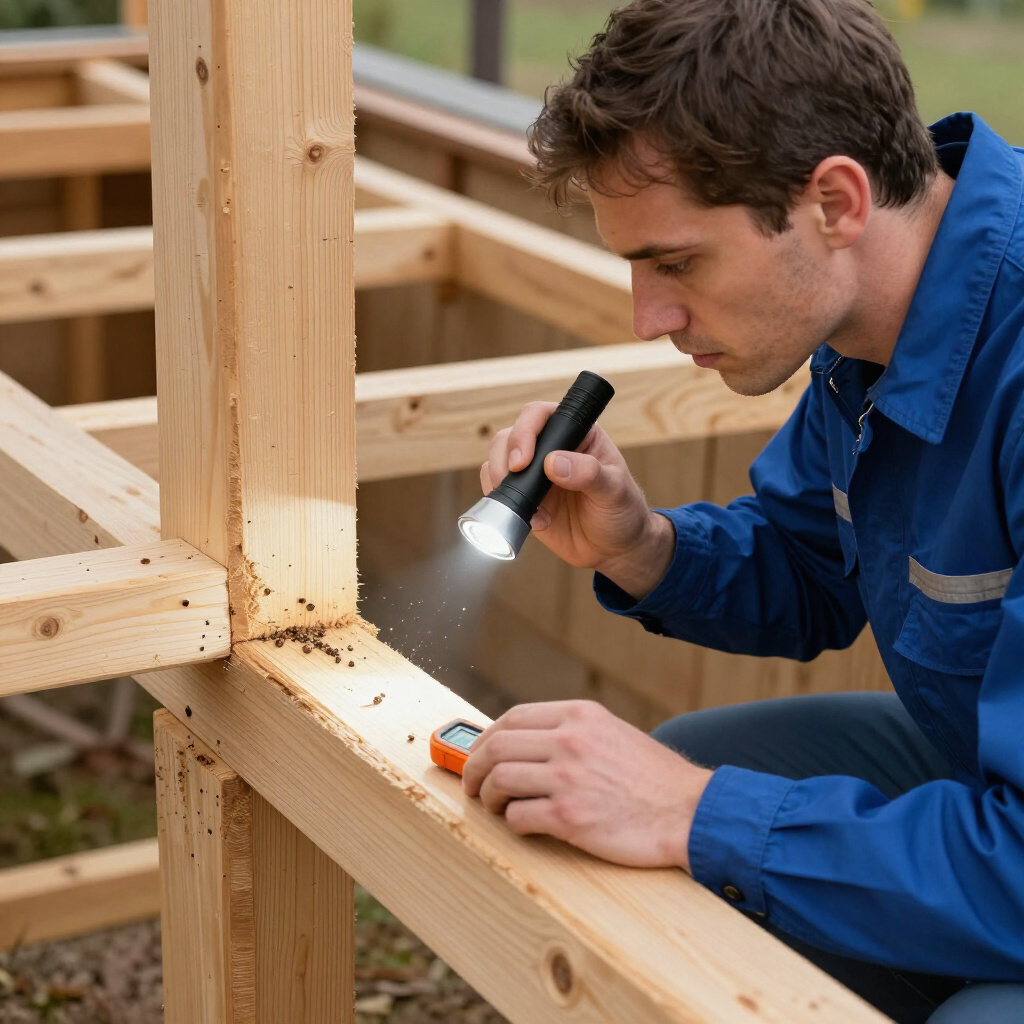
Request a detailed inspection before any treatment commitment. Reputable professionals will identify entry points, nesting sites, and conducive conditions rather than offering blanket spraying. Inquire about integrated pest management approaches—methods that minimize chemical reliance through exclusion, habitat modification, and targeted applications. This matters particularly in neighborhoods near Credit Island Park and Duck Creek Park, where families and pets frequent outdoor spaces.
Check reviews from Davenport-specific customers, paying attention to follow-up service quality. The best providers in Scott County offer recurring monitoring programs, not one-time fixes, because our climate ensures pests return seasonally.
What to Expect from Pest Control Services in Davenport
Your first service visit follows a predictable pattern designed around thoroughness rather than speed. The technician begins with a comprehensive property assessment, examining foundation gaps, attic spaces, crawl areas, and moisture-prone zones like basements and kitchens. In Davenport's historic districts—particularly homes built before 1950 near the Downtown Commercial Historic District—this inspection often reveals unique challenges like balloon framing that allows vertical pest movement between walls.
You'll receive a written findings report with photographic documentation, proposed treatment strategy, and pricing breakdown. Treatment typically commences same-day for active infestations, though severe cases may require scheduled follow-ups. Technicians apply products according to label specifications, with perimeter treatments forming the backbone of most residential programs in Scott County.
Post-treatment, expect detailed instructions about ventilation periods, pet restrictions, and cleaning protocols. Most Davenport homeowners receive scheduled quarterly visits, with additional call-backs included between regular services. Winter visits focus heavily on interior monitoring and rodent exclusion, while spring and summer appointments emphasize exterior barrier maintenance against ants, spiders, and occasional invaders like millipedes and centipedes.
Available Pest Control Services
Davenport residents can access comprehensive pest management spanning residential, commercial, and specialized applications. Standard programs cover the pests most commonly encountered across Scott County: ants, spiders, cockroaches, wasps, mice, and rats. These foundation services suit most single-family homes in neighborhoods from McClellan Heights to Northwest Davenport.
Specialized offerings address region-specific challenges. Termite control utilizing baiting systems or liquid barriers protects properties from the subterranean species active throughout eastern Iowa. Bed bug elimination requires heat treatment or intensive chemical protocols, particularly relevant for multi-unit housing near St. Ambrose University and apartment corridors along Kimberly Road. Mosquito reduction programs treat breeding habitat and resting sites, valuable for homes backing to Duck Creek or other water features.
Commercial services protect restaurants along Brady Street, warehouses near the I-80 corridor, healthcare facilities, and hospitality properties with customized plans meeting industry regulations. Wildlife management humanely removes squirrels, raccoons, and bats—frequent attic intruders in Davenport's mature tree canopy neighborhoods—followed by exclusion repairs preventing reentry.
Emergency same-day response addresses urgent situations: hornet nests near entryways, sudden rodent activity, or swarm events. Seasonal programs specifically target the fall boxelder bug and Asian lady beetle influx that frustrates homeowners throughout the Quad Cities metro.
Frequently Asked Questions
How often should Davenport homes receive pest control service?
Quarterly maintenance provides optimal protection for most Davenport properties, with our river valley humidity and seasonal temperature swings supporting continuous pest pressure. Homes with wooded lots, water features, or previous infestation history may benefit from bi-monthly visits during peak spring and summer activity.
Are pest control treatments safe for children and pets?
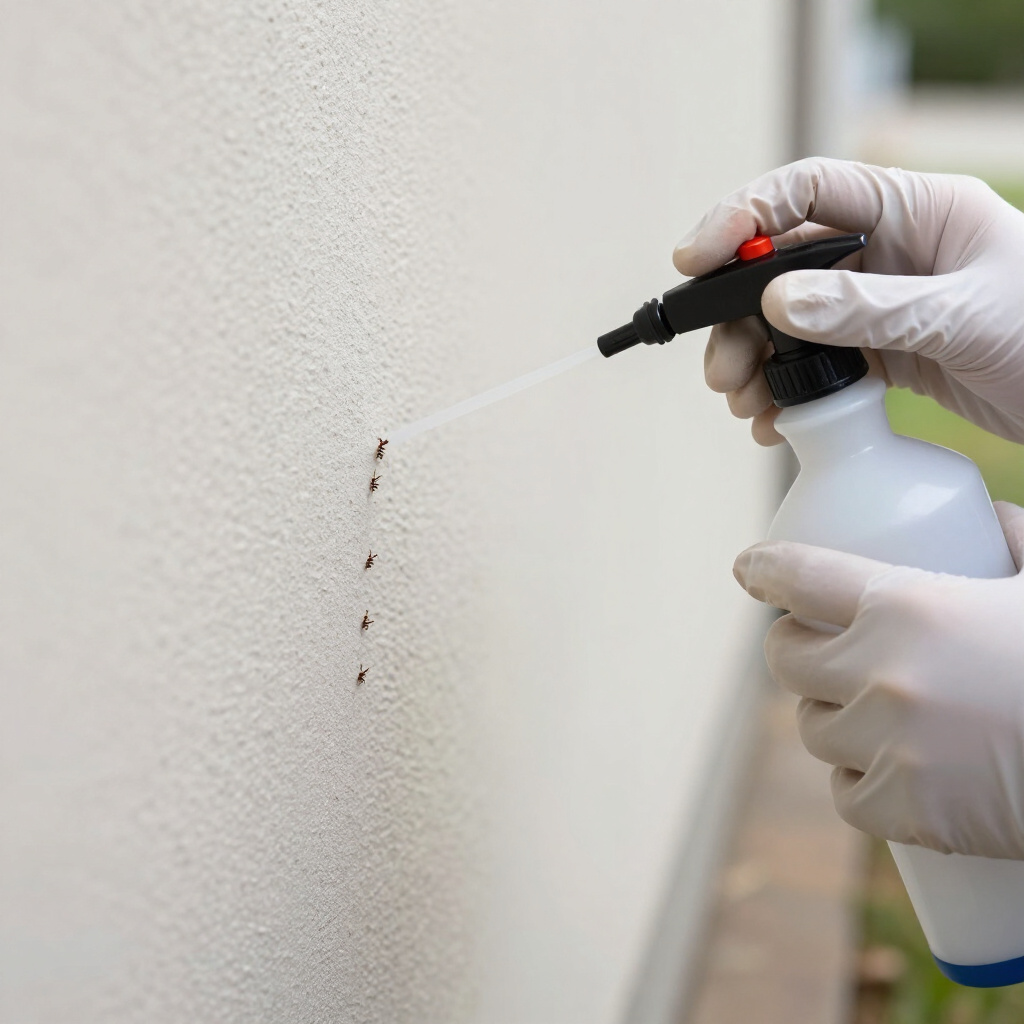
Modern applications use targeted placement and reduced-risk formulations. Technicians avoid broadcast spraying where family members contact surfaces, instead focusing on crack-and-crevice treatment, exterior perimeter barriers, and bait stations in inaccessible locations. Your provider should supply specific re-entry timelines—typically two to four hours for liquid applications, less for granular or bait-only services.
Why do I see more pests after treatment?
Temporary increased visibility indicates effectiveness. Flushing agents and residual products drive hidden pests from harborage areas. This post-treatment emergence typically resolves within 7-14 days as the population contacts treated surfaces. Persistent activity beyond this window warrants a follow-up visit at no additional charge with most Davenport service agreements.
Can I handle Davenport pest problems myself?
Over-the-counter products manage minor, localized issues but rarely resolve established infestations. Store-bought sprays often scatter ant colonies, worsening the problem through budding. Professional-grade products, application equipment, and training in pest biology and behavior deliver superior, longer-lasting results—particularly for carpenter ants, termites, and rodents that cause structural damage throughout Scott County.