
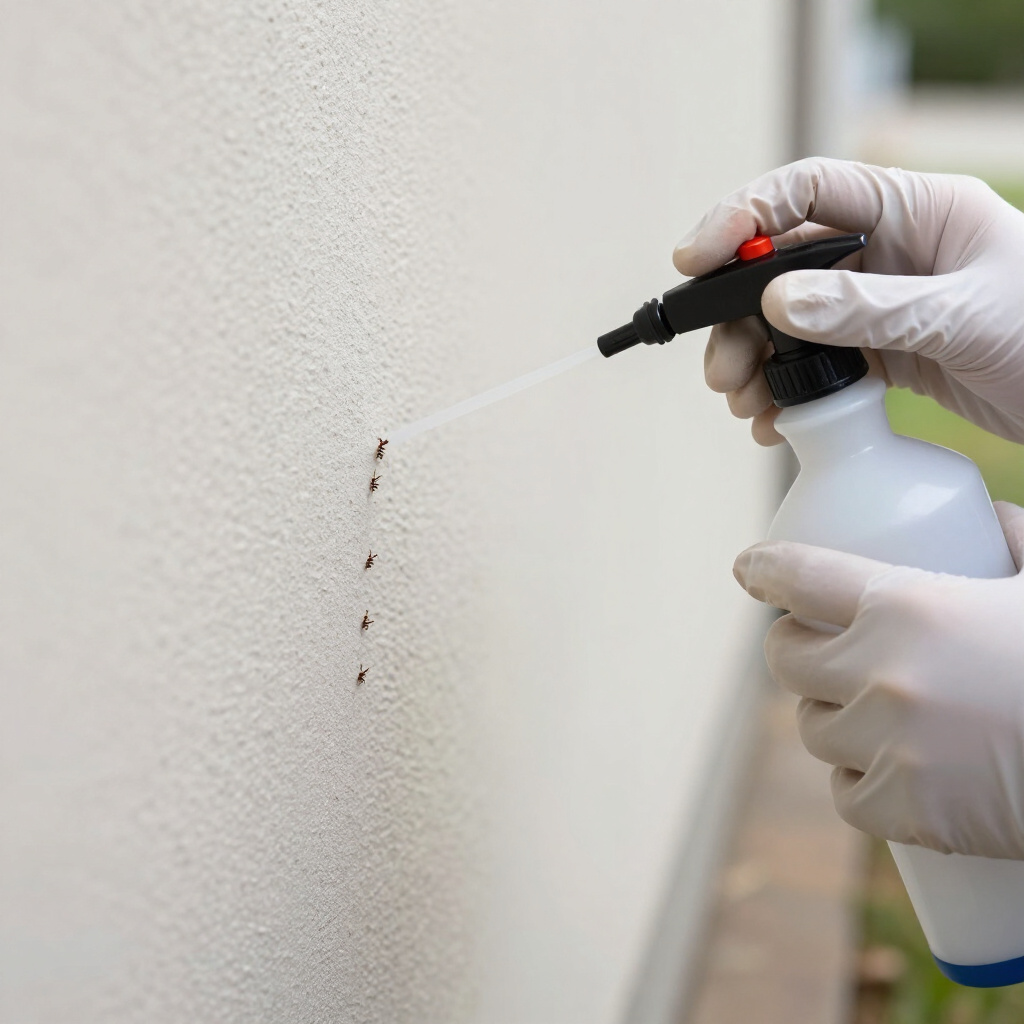


Pest Control Services in Fort Dodge, IA
Fort Dodge sits at the confluence of the Des Moines River and Lizard Creek, creating unique pest pressures for Webster County homeowners and businesses. The river valley's humidity, combined with Iowa's seasonal extremes, means residents deal with everything from spring ant swarms to winter rodent invasions seeking shelter from prairie winds.
Local pest control in Fort Dodge addresses the specific challenges of north-central Iowa living. Older neighborhoods near downtown, particularly around the historic districts, often face ongoing battles with mice exploiting century-old foundations. Newer developments on the city's edges encounter different issues—boxelder bugs congregating on south-facing walls and Asian lady beetles overwintering in wall voids.
Webster County's agricultural surroundings directly impact urban pest patterns. Grain storage facilities and processing operations near Fort Dodge can drive rodent and insect populations higher than in more isolated communities. Seasonal field work also stirs up pests that eventually find their way into residential areas.
Common Pest Issues in Fort Dodge
- Structural pests: Carpenter ants, termites, and powderpost beetles threaten wooden structures throughout Webster County
- Occasional invaders: Millipedes, centipedes, and sowbugs enter homes during wet spring periods and fall temperature drops
- Stinging insects: Yellow jackets, paper wasps, and bald-faced hornets nest in eaves, trees, and underground cavities
- Pantry pests: Indian meal moths and sawtoothed grain beetles infest stored food products
- Bed bugs: Increasingly problematic in multi-unit housing and travel-related accommodations near Highway 20
Seasonal Pest Control Timeline
March through May brings the most intensive pest activity around Fort Dodge. As frost leaves the ground, ants begin colony expansion, termites swarm on warm humid days, and overwintering pests emerge confused from wall voids. Summer months shift focus to spider control around foundations, mosquito reduction in shaded yards, and wasp nest elimination before they reach peak size.
September and October trigger rodent movement indoors as overnight temperatures drop. Mice can squeeze through openings smaller than a dime, and Fort Dodge's older housing stock provides plenty of entry points. December through February requires vigilance for ongoing rodent activity and the occasional cluster fly or boxelder bug emergence during thaw periods.
Common Questions About Pest Control in Fort Dodge
How does Fort Dodge's river location affect pest problems?
The Des Moines River corridor and nearby Lizard Creek create persistent moisture zones that support higher mosquito populations, accelerate termite colony development, and provide habitat for wildlife that harbors ticks and fleas. Homes within a few blocks of these waterways typically require more frequent perimeter treatments and moisture management to prevent pest establishment. The river valley also creates microclimates where spring arrives slightly earlier and fall lingers longer, effectively extending the active pest season compared to surrounding rural farmland.
What should I do about grain beetles if I live near Fort Dodge's agricultural processing facilities?
Proximity to grain elevators and feed processing plants increases risk of stored product pest introduction. Inspect packaged goods before purchase, transfer dry goods to sealed glass or thick plastic containers upon bringing them home, and maintain pantry temperatures below 70°F when possible. If you notice small beetles or moths in food areas, discard infested items completely and vacuum cabinet crevices before applying targeted treatments. Professional pantry pest programs in Fort Dodge often include pheromone monitoring to identify infestation sources and prevent reinfestation from adjacent commercial operations.
Are termites a serious concern in Webster County compared to other parts of Iowa?
Fort Dodge and Webster County fall within Iowa's moderate-to-high termite risk zone. Eastern subterranean termites are well-established throughout the region, and the area's clay-heavy soils with consistent moisture retention provide favorable conditions for colony survival. The prevalence of basements in Fort Dodge homes—necessary for frost line requirements—creates direct wood-to-soil contact points that termites exploit. Annual inspections are strongly recommended, particularly for properties built before 1990 or those with previous termite history. Modern prevention options include liquid barrier treatments and bait monitoring systems tailored to local soil conditions.